


Introduction: Why Nail Plates Matter More Than You Think
When people talk about nails, they usually focus on color, shape, or nail art trends. But beneath every flawless manicure lies something far more important: nail plates. The nail plate is the visible, hardened part of the nail that protects your fingertips and toes, reflects your overall health, and determines how strong, smooth, or damaged your nails appear.
In 2026–2027, nail science and beauty care are merging more than ever. Professionals, dermatologists, and nail technicians now agree that understanding nail plates is essential for preventing damage, promoting healthy growth, and achieving long-lasting manicures. Whether you’re a nail enthusiast, beginner, or professional, this guide breaks down nail plate anatomy in a clear, human way—no medical jargon overload.
This ultimate guide explores:
- What nail plates really are
- How they grow
- What damages them
- How to repair and protect them naturally and professionally
Throughout this article, the focus keyword “nail plates” is used naturally to support strong SEO while keeping the content readable and trustworthy.
What Are Nail Plates? (The Basics Explained Simply)
The nail plate is the hard, translucent structure made primarily of keratin that sits on top of the nail bed. It’s what you see, paint, file, and decorate. Despite feeling solid, nail plates are actually layered, flexible, and highly responsive to health, habits, and environment.
Unlike skin or hair, nail plates don’t shed and renew all at once. Instead, they grow continuously from the nail matrix, pushing older cells forward. This slow growth is why damage to nail plates can take months to fully disappear.
Nail Plate Anatomy: Understanding the Foundation
Core Structure of Nail Plates
- Nail plates are made of compressed keratin cells.
- The keratin in nail plates is harder than skin keratin.
- Nail plates grow from the nail matrix, not the cuticle.
- The nail-plate protects the nail bed underneath.
- Healthy nails plates appear smooth and slightly glossy.
- Nails plates are semi-transparent, allowing the nail bed color to show.
- Finger nail-plates grow faster than toenail plates.
- Nail-plates are thicker at the center than at the edges.
- Nail-plates have no nerves, which is why cutting them doesn’t hurt.
- Damage to nail-plates reflects past health or trauma.
- Nail-plates grow approximately 3 mm per month on fingers.
- Toe nail-plates grow about half as fast.
- Nail-plates consist of dorsal, intermediate, and ventral layers.
- The dorsal layer is the hardest and most damage-resistant.
- The ventral layer adheres to the nail bed.
- Nail-plates rely on moisture balance to stay flexible.
- Dehydrated nail-plates become brittle.
- Over-hydrated nail-plates become weak and peel.
- Nail-plates are slightly curved by natural design.
- Flat nail-plates may indicate underlying conditions.
- Excessively curved nail-plates may signal clubbing.
- Nail-plates do not “breathe” like skin.
- Oxygen does not pass through nails plates.
- Nails plates receive nutrients via blood flow from the matrix.
- The health of nail-plates reflects overall body health.
Nail Plate vs Nail Bed
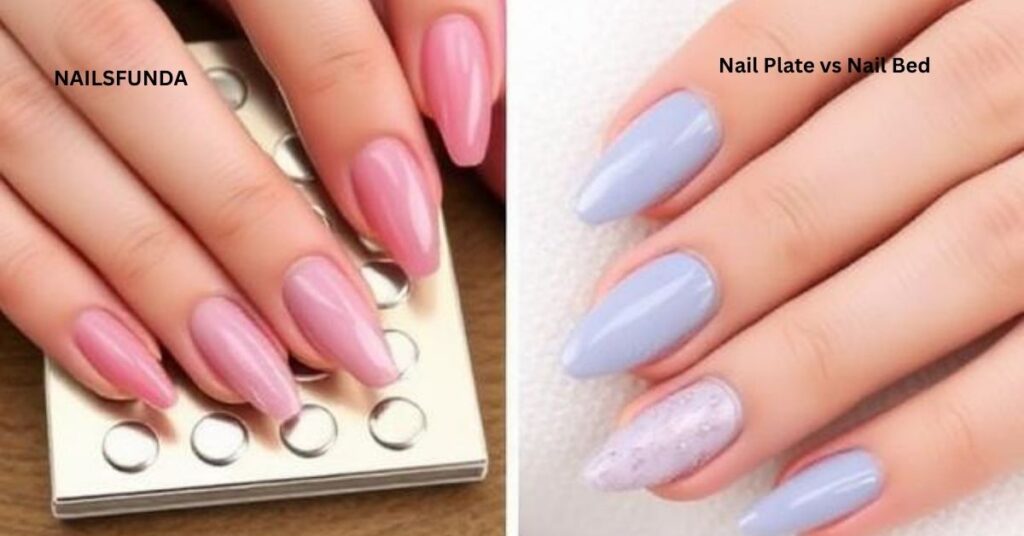
- Nails plates sit on top of the nail bed.
- The nail bed supplies nutrients, not structure.
- Nail-plates slide forward as they grow.
- The nail bed does not produce nail-plates.
- Pink color comes from the blood vessels under the nail-plate.
- White spots on nail-plates often result from trauma.
- Separation of nail-plates from the bed is called onycholysis.
- Nail-plates rely on proper adhesion to the bed.
- Poor adhesion weakens nail strength.
- Nail biting damages nail-plates and nail beds.
- Trauma disrupts the nail-plate-bed connection.
- Nail-plates protect fingertip nerves.
- Nail bed injuries affect future nail-plate growth.
- Pressure under nail-plates can cause pain.
- Healthy nail-plates move smoothly over the nail bed.
- Nail bed infections often show changes in the nail-plates.
- Nail-plates act as shields against bacteria.
- The nail bed supports nail-plate growth direction.
- Discolored nail-plates may signal bed problems.
- Nail-plates amplify visible signs of nail disease.
- Nail bed scarring permanently alters nail-plates.
- Nail-plates depend on the nail bed for appearance.
- The nail bed does not harden like nail-plates.
- Nail-plates become thinner toward the free edge.
- Nail-plate lifting is often painless at first.
Nail Matrix and Nail Plate Growth
- The nail matrix creates new nail-plate cells.
- Damage to the matrix permanently affects nail-plates.
- The lunula is part of the nail matrix.
- Not all nail-plates show a visible lunula.
- Faster matrix activity equals faster nail-plate growth.
- Illness can slow nail-plate production.
- Chemotherapy impacts nail-plates via the matrix.
- Trauma to the cuticle area harms the matrix.
- Nail-plates grow forward, not upward.
- Matrix health determines nail thickness.
- Thin nail-plates often indicate matrix weakness.
- Thick nail-plates may be genetic or fungal.
- Nail-plates carry growth history like tree rings.
- Beau’s lines show a temporary growth disruption.
- Horizontal ridges reflect past illness.
- Vertical ridges are common with aging nail-plates.
- Matrix inflammation distorts nail-plates.
- Nail-plate grooves align with matrix damage.
- The matrix cannot be repaired once scarred.
- Gentle cuticle care protects the matrix.
- Pushing cuticles aggressively harms nail-plates.
- Nail technicians must protect the matrix area.
- Nail-plate thickness varies by finger.
- Thumb nail-plates are usually thicker.
- Toe nail-plates grow from a deeper matrix.
Nail Plate Surface & Texture
- Smooth nail-plates indicate balanced keratin.
- Rough nail-plates suggest dehydration.
- Peeling nail-plates indicates layered separation.
- Buffing too much thins the nail-plates.
- Over-filing weakens nail-plate edges.
- Gel removal damages nail-plates if forced.
- Acrylic misuse thins nail-plates.
- Nail-plates can recover with time and care.
- Nail surface ridges trap polish pigments.
- Stained nail-plates are common with dark polish.
- Base coats protect nail-plates from staining.
- Nail-plates need rest between enhancements.
- UV lamps do not harden natural nail-plates.
- Nail-plates react to chemical exposure.
- Acetone dries nail-plates temporarily.
- Oil restores flexibility to nail-plates.
- Buffing increases shine but reduces thickness.
- Healthy nail-plates feel firm yet flexible.
- Chalky nail-plates indicate protein loss.
- Nail-plates respond well to consistent care.
Nail Plate Shape & Thickness
- Nail-plates naturally taper at the free edge.
- Thick nail-plates resist breaking.
- Thin nails plates bend easily.
- Genetics influences nail-plate thickness.
- Age changes nail-plate density.
- Children have softer nail-plates.
- Nail-plates thicken slightly with adulthood.
- Elderly nail-plates may become brittle.
- Nail-plates change with hormonal shifts.
- Pregnancy affects nail-plate growth speed.
- Stress impacts nail-plates indirectly.
- Diet influences nail-plate strength.
- Protein supports healthy nail-plates.
- Minerals strengthen nail-plates.
- Nail-plates reveal long-term habits.
Nail Plate Growth Science, Lifestyle Factors & Early Warning Signs
Nail Plate Growth Cycle Explained
- Nail-plates grow continuously throughout life.
- Growth starts deep inside the nail matrix.
- New cells push older nail-plate layers forward.
- Finger nail-plates grow faster than toenail plates.
- Dominant-hand nail-plates grow slightly quicker.
- Seasonal changes affect nail-plate growth.
- Nail-plates grow faster in the summer months.
- Cold weather slows nail-plate growth.
- Blood circulation impacts nail-plates.
- Improved circulation supports growth.
- Massage increases blood flow to nail-plates.
- Nail -lates grow more slowly during illness.
- Fever temporarily halts nail-plate production.
- Growth interruptions leave visible marks.
- These marks travel forward with nail-plates.
- Nail-plates act as growth timelines.
- Growth speed varies between individuals.
- Genetics determines natural nail plate strength.
- Nail-plates renew fully every 4–6 months.
- Toenail-plates take 9–12 months to replace.
- Slow growth does not mean unhealthy nail-plates.
- Consistency matters more than speed.
- Nail-plate growth is unaffected by trimming.
- Cutting nails does not increase growth rate.
- Filing shape does not alter nail-plate production.
- Nail-plates grow from the base, not the tip.
- Free edge length reflects past growth.
- Nail-plates cannot be repaired instantly.
- Patience is essential for healthy recovery.
- Nail growth supplements support matrix function.
- Biotin assists nail-plate strength.
- Excess supplementation offers no extra benefit.
- Hydration influences nail-plate flexibility.
- Dehydration slows visible growth.
- Nail-plates require internal and external care.
Daily Habits That Strengthen Nail Plates
- Wearing gloves protects nail-plates during chores.
- Water exposure weakens nail-plates over time.
- Prolonged soaking causes swelling and shrinking.
- Repeated expansion weakens nail-plate layers.
- Gentle cleansers preserve nail-plates.
- Harsh soaps strip natural oils.
- Nail oils restore lipid balance.
- Cuticle oil indirectly supports nail-plates.
- Balanced diets improve nail-plate resilience.
- Protein-rich foods strengthen keratin.
- Iron deficiency affects the nail-plates visibly.
- Zinc supports nail-plate repair.
- Omega-3s improve nail flexibility.
- Regular moisturizing prevents peeling.
- Avoid using nails as tools.
- Nail-plates crack under pressure.
- Proper filing prevents splitting.
- Glass files protect nail-plate edges.
- Filing in one direction reduces damage.
- Shorter nail-plates break less often.
- Nail rest days allow recovery.
- Breathing time between manicures matters.
- Nail-plates recover best without constant polish.
- Base coats protect nail-plates from chemicals.
- Non-acetone removers are gentler.
- Acetone use should be limited.
- UV gloves protect nail-plates during curing.
- Sunscreen prevents nail-plate discoloration.
- Regular care beats occasional treatments.
- Consistency preserves nail-plates long-term.
Lifestyle Factors That Damage Nail Plates
- Frequent gel manicures thin nail-plates.
- Improper removal causes peeling.
- Picking polish removes nail-plate layers.
- Acrylic overuse weakens natural nail-plates.
- Low-quality products harm nail-plates.
- MMA acrylics cause permanent damage.
- Poor salon hygiene affects nail-plates.
- Smoking reduces blood flow to nail-plates.
- Stress hormones impact nail growth.
- Sleep deprivation weakens nail-plates.
- Crash dieting affects nail-plate thickness.
- Low protein intake causes brittleness.
- Eating disorders are reflected in nail-plates.
- Certain medications slow growth.
- Thyroid imbalance alters nail-plates.
- Hormonal changes cause ridging.
- Artificial nails hide nail-plate damage.
- Continuous overlays prevent recovery.
- Excessive buffing thins nail-plates.
- Over-filing sidewalls causes splitting.
- Poor posture reduces hand circulation.
- Dehydration shows quickly in nail-plates.
- Environmental pollutants stain nail-plates.
- Household chemicals corrode keratin.
- Nail-plates reflect modern lifestyle stress.
Early Warning Signs of Nail Plate Damage
- Peeling edges signal layer separation.
- White patches indicate trauma.
- Yellowing suggests staining or infection.
- Green discoloration may indicate bacteria.
- Thickened nail-plates suggest fungal issues.
- Thin nail-plates bend easily.
- Ridges show growth disruption.
- Splitting indicates a moisture imbalance.
- Dull nail-plates lack natural oils.
- Brittle nail-plates break suddenly.
- Nail-plate lifting is often painless.
- Gaps under nail-plates trap debris.
- Uneven thickness suggests product damage.
- Soft nail-plates tear easily.
- Pain under nail-plates signals infection.
- Redness around nail-plates needs attention.
- Burning sensations require professional advice.
- Sudden changes should not be ignored.
- Early care prevents permanent damage.
- Nail-plates always give warning signs.
Nail Plate Damage, Disorders & Common Problems
Mechanical Damage to Nail Plates
- Mechanical stress is the most common cause of nail-plate damage.
- Repeated pressure weakens nail-plate layers.
- Nail biting removes protective keratin.
- Picking cuticles destabilizes nail-plates.
- Using nails as tools cracks nail-plates.
- Excessive typing can strain nail-plates.
- Long nail-plates catch and tear easily.
- Filing too aggressively thins nail-plates.
- Incorrect filing angles cause splitting.
- Buffing removes protective surface layers.
- Over-buffing makes nail-plates fragile.
- Forceful gel removal peels nail-plates.
- Pulling off acrylic strips and nail layers.
- Cheap nail glue damages nail-plates.
- Press-on removal causes surface trauma.
- Tight footwear injures toenail-plates.
- Repeated toe pressure thickens nail-plates.
- Sports injuries crack nail-plates.
- Door slams and impacts cause bruising.
- Bruised nail-plates may darken temporarily.
- Trauma lines appear weeks later.
- Nail-plates record past injuries.
- Damage travels forward with growth.
- Mechanical damage is often preventable.
- Protective habits preserve nail-plates.
- Shorter nails reduce mechanical stress.
- Rounded edges resist breakage.
- Daily care reduces micro-fractures.
- Gentle tools extend nail-plate life.
- High-quality files protect keratin.
- Nail-plates respond well to rest periods.
- Ignoring stress leads to chronic damage.
- Nail-plate cracks worsen over time.
- Early intervention restores strength.
- Mechanical damage compounds without care.
Chemical Damage to Nail Plates
- Chemicals alter nail late protein bonds.
- Acetone dissolves natural nail oils.
- Overuse causes brittle nail-plates.
- Gel polish solvents weaken keratin.
- MMA monomers permanently damage nail-plates.
- Poor-quality acrylic liquids are harmful.
- Frequent color changes stress nail-plates.
- Dark pigments stain nail-plate layers.
- Bleaching agents dry nail-plates.
- Household cleaners erode keratin.
- Dish soap strips protective lipids.
- Chlorine dehydrates nail-plates.
- Alcohol sanitizers weaken nail-plates.
- Nail hardeners can over-harden keratin.
- Over-hardened nail-plates crack easily.
- Acid primers thin nail-plates.
- Improper pH products cause lifting.
- Low-grade glues damage nail-plates.
- Fragranced removers irritate nail-plates.
- Artificial fragrances disrupt keratin balance.
- UV exposure discolors nail-plates.
- Excessive curing dries nail-plates.
- Chemical exposure accumulates over time.
- Nail-plates cannot neutralize toxins.
- Breaks between enhancements allow recovery.
- Nourishing treatments restore flexibility.
- Oils rebuild nail-plate lipid layers.
- Chemical damage often looks shiny at first.
- Weakness appears weeks later.
- Professional products protect nail-plates.
- Cheap formulations increase risk.
- Ventilation reduces chemical exposure.
- Gloves limit contact damage.
- Chemical awareness prevents long-term harm.
- Nail-plates need balanced chemistry.
Nail Plate Disorders & Conditions
- Onycholysis causes nail-plate lifting.
- Fungal infections thicken nail-plates.
- Psoriasis creates pitted nail-plates.
- Eczema affects nail-plate texture.
- Iron deficiency flattens nail-plates.
- Spoon-shaped nail-plates indicate anemia.
- Clubbing reflects respiratory conditions.
- Bacterial infections discolor nail-plates.
- Green nail syndrome traps moisture.
- White nail-plates may signal liver issues.
- Yellow nail syndrome slows growth.
- Ridged nail-plates appear with age.
- Brittle nail syndrome causes splitting.
- Trachyonychia roughens nail-plates.
- Melanonychia creates dark streaks.
- Sudden color change needs evaluation.
- Painful nail-plates require medical care.
- Swelling around nail-plates signals infection.
- Pus under nail-plates is an emergency.
- Chronic lifting invites pathogens.
- Nail-plates protect but also trap organisms.
- Thick nail-plates complicate treatment.
- Untreated fungus spreads slowly.
- Early diagnosis protects nail-plates.
- Dermatologists evaluate nail-plate disorders.
- Lab tests confirm fungal damage.
- Self-diagnosis risks mis-treatment.
- Cosmetic cover-ups hide symptoms.
- Treatment requires patience.
- Damaged nail-plates grow out slowly.
- Some conditions permanently alter nail-plates.
- Matrix scarring changes future growth.
- Nail-plates reflect internal health.
- Systemic illness shows in nail-plates.
- Medication side effects alter appearance.
- Recovery depends on severity.
- Consistent care improves outcomes.
- Nail-plates deserve medical attention.
- Beauty routines should support health.
- Healthy nail-plates start with awareness.
Repairing, Restoring & Strengthening Nail Plates
Can Nail Plates Be Repaired?
- Nail-plates cannot self-heal like skin.
- Damage must grow out gradually.
- New nail-plates replace old keratin layers.
- Repair focuses on protecting fresh growth.
- Matrix health determines repair success.
- Patience is essential during recovery.
- Finger nail-plates need 4–6 months to renew.
- Toenail-plates need up to 12 months.
- Peeling layers cannot be reattached.
- Treatments prevent further splitting.
- Surface smoothing improves appearance temporarily.
- Strengthening products support keratin bonds.
- Overuse of strengtheners causes brittleness.
- Balanced care restores flexibility.
- Nail-plates recover best with minimal enhancements.
- Removing extensions speeds healing.
- Shorter nails reduce breakage risk.
- Gentle filing preserves thickness.
- Buffing should be minimal.
- Healthy regrowth is the true repair.
- Consistency outperforms aggressive treatments.
- Nail-plate recovery is gradual.
- Visible improvement takes weeks.
- Full restoration takes months.
- Long-term habits define nail plate health.
At-Home Repair Routines for Nail Plates
- Daily oiling restores nail plate lipids.
- Jojoba oil penetrates nail-plates deeply.
- Vitamin E improves flexibility.
- Cuticle oils indirectly nourish nail-plates.
- Moisturizing creams prevent dehydration.
- Overnight treatments boost repair.
- Gloves protect nail-plates during chores.
- Avoid soaking damaged nail-plates.
- Quick hand washes are safer.
- Use mild, pH-balanced cleansers.
- Non-acetone removers reduce dryness.
- Space out polish changes.
- Choose breathable base coats.
- Avoid peel-off products.
- Light ridge fillers smooth nail-plates.
- Strengthening bases should be used sparingly.
- Avoid heavy glitter removal.
- Keep nail-plates short and rounded.
- File with fine-grit files only.
- File in one direction.
- Avoid metal tools on nail-plates.
- Massage improves circulation.
- Hydration improves keratin flexibility.
- Balanced diets support regrowth.
- Protein strengthens new nail-plates.
- Iron supports oxygen delivery.
- Zinc aids tissue repair.
- Omega-3s improve nail-plate elasticity.
- Biotin supports keratin structure.
- Avoid crash dieting during repair.
- Reduce caffeine-induced dehydration.
- Manage stress for healthier growth.
- Sleep improves regeneration.
- Monitor progress monthly.
- Protect new nail plates carefully.
Professional Treatments for Nail Plate Repair
- IBX strengthens internal nail-plate bonds.
- Professional keratin treatments reinforce layers.
- Structured gel overlays protect regrowth.
- Soft gel systems reduce stress.
- Hard gels require caution on thin nail-plates.
- Acrylics slow natural repair.
- Builder gels add temporary strength.
- E-file use must be minimal.
- Nail technicians should avoid over-prep.
- Medical treatments address infections.
- Antifungals restore nail-plate health.
- Laser therapy assists fungal recovery.
- Dermatologists guide the treatment of severe damage.
- Prescription treatments target root causes.
- Salon hygiene prevents reinfection.
- Regular check-ins track progress.
- Professional manicures should be gentle.
- Structured manicures protect nail-plates.
- Nail overlays must be removable.
- Recovery-friendly services prioritize health.
- Avoid continuous enhancements.
- Take enhancement breaks every few months.
- Nail-plate recovery requires teamwork.
- Professionals guide safe regrowth.
- Client education prevents repeat damage.
- Product quality affects outcomes.
- Cheaper isn’t safer for nail-plates.
- Long-term care beats quick fixes.
- Professional repair complements home care.
- Nail-plates respond best to balance.
What NOT to Do During Nail Plate Recovery
- Do not peel off the polish.
- Do not rip enhancements.
- Avoid constant buffing.
- Do not over-harden nail plates.
- Avoid frequent acetone soaking.
- Do not ignore lifting.
- Avoid covering infections with polish.
- Do not skip hydration.
- Avoid biting damaged nail plates.
- Do not over-file sidewalls.
- Avoid harsh cuticle cutting.
- Do not rush growth.
- Avoid miracle cure myths.
- Do not layer too many products.
- Avoid low-quality nail treatments.
- Do not neglect nutrition.
- Avoid stress-related picking.
- Do not compare recovery timelines.
- Consistency matters most.
- Nail plates need time to heal.
Advanced Nail Plate Care, 2026–2027 Trends & FAQs
Modern Nail Plate Care Trends
- Minimalist nail routines are trending in 2026–2027.
- Less frequent enhancements allow nail plates to recover naturally.
- Biotin-rich supplements are increasingly recommended.
- Professional nail oils are customized for nail plate health.
- Light-strengthening base coats are replacing heavy hardeners.
- Breathable polishes support the hydration of nail plates.
- Natural nail focus is growing among young adults.
- Nail plate-friendly manicures avoid aggressive filing.
- Anti-yellowing treatments keep nail plates bright.
- UV-free gel systems reduce chemical stress.
- At-home nail care kits are now widely used.
- Nail plate hydration is emphasized over color trends.
- Nail plate monitoring apps track growth and damage.
- Wellness-focused nail salons educate clients on plate health.
- Custom oil blends restore keratin flexibility.
- Organic oils like jojoba, almond, and argan dominate trends.
- Nail plate layering products minimize chemical exposure.
- Light buffing and ridge-filling are preferred.
- Nail plate strengthening during winter is essential.
- Gentle filing in one direction prevents micro-tears.
- Professional tutorials teach plate maintenance.
- Nail plate scans visualize thickness and hydration.
- Plate-safe polishes reduce staining.
- Fungal-preventive treatments are integrated into care.
- Diet-first strategies support nail plate health.
- Hydration tracking apps influence nail plate recovery.
- Stress management indirectly strengthens plates.
- Wellness routines integrate supplements and topical care.
- Cuticle oils with vitamins A, C, and D improve nail plate appearance.
- Nail plates are treated as an indicator of overall health.
- Multi-step care is simplified for at-home users.
- Sustainable nail products avoid harsh solvents.
- Nail plate longevity is marketed as a wellness benefit.
- Minimalist color palettes reduce chemical stress.
- Home LED lamps with lower heat are preferred.
- Nail plate monitoring allows early damage prevention.
- Keratin-repair masks for plates are now salon-standard.
- Personalized nail routines are trending.
- Microbiome-friendly nail oils protect plate health.
- Education about plate growth cycles is mainstream.
Nail Plate Daily Do’s & Don’ts
- Do moisturize daily.
- Do protect your hands from harsh chemicals.
- Do keep nails short if plates are weak.
- Do wear gloves during chores.
- Do use nail-friendly polish removers.
- Do give nails rest days between treatments.
- Do file gently in one direction.
- Do nourish with oils and creams.
- Do eat protein-rich diets.
- Maintain proper hydration.
- Don’t peel off polish.
- Don’t pick or bite nails.
- Don’t over-buff or over-file.
- Don’t expose nails to prolonged soaking.
- Don’t ignore discoloration or lifting.
- Don’t overuse UV-curing lamps.
- Don’t use cheap or low-quality chemicals.
- Don’t neglect the cuticle area.
- Don’t ignore slow growth—monitor trends.
- Don’t combine multiple harsh treatments at once.
- Do track plate progress monthly.
- Do seek professional advice for persistent problems.
- Don’t hide infections under polish.
- Do integrate natural oils consistently.
- Maintain nail hygiene to protect plates.
- Don’t ignore diet or health changes.
- Do practice gentle shaping regularly.
- Do apply sunscreen on exposed nails.
- Don’t over-strengthen plates chemically.
- Do combine professional care with at-home maintenance.
Nail Plate Enhancements & Safe Practices
- Builder gels are safer when plates are hydrated.
- Light overlays prevent cracking.
- Avoid heavy acrylics on thin plates.
- Gel polish should be removed gently.
- Regular plate monitoring prevents long-term damage.
- Soft gel systems support regrowth.
- Avoid repeated chemical stripping.
- Protective base coats extend polish wear.
- Ridge fillers smooth uneven plates.
- Avoid aggressive buffing under nail enhancements.
- Nail plates respond to gentle, structured treatments.
- Non-invasive strengthening is preferred over hard coatings.
- Use UV-blocking gloves for salon treatments.
- Minimal filing of the free edge protects keratin.
- Avoid metal tools for plate shaping.
- Apply cuticle oils after professional treatments.
- Allow recovery periods between enhancements.
- Use anti-yellowing products for stained plates.
- Maintain hygiene during enhancement procedures.
- Avoid overlapping treatments without breaks.
- Track nail plate thickness periodically.
- Avoid excessive heat exposure during curing.
- Use LED lamps with low intensity when possible.
- Avoid harsh acetone treatments.
- Base coats with keratin or protein aid in repair.
- Limit glitter polish use on thin plates.
- Avoid over-layering multiple treatments.
- Keep nails moderately shaped to reduce stress.
- Encourage clients/personal use of hydration routines.
- Choose salon products designed for plate health.
Nail Plate Long-Term Care
- Regular hydration maintains flexibility.
- Balanced nutrition strengthens keratin layers.
- Avoid repeated trauma to nail plates.
- Give nails breaks from polish and enhancements.
- Monitor for early damage signs regularly.
- Prevent fungal or bacterial infections proactively.
- Track nail plate growth cycles for personal insight.
- Combine professional care with at-home oiling routines.
- Adjust habits according to season and environment.
- Consistency ensures healthy, strong, and resilient nail plates.
FAQs About Nail Plates (10 Key Points)
1. What are nail plates made of?
- Nail plates are primarily composed of hard keratin, the same protein found in hair and skin.
2. How fast do nail plates grow?
- Fingernail plates grow about 3 mm per month, while toenail plates grow about 1.5 mm per month.
3. Can damaged nail plates be repaired?
- Yes, but repair involves protecting new growth; the old damaged portion grows out gradually.
4. What causes brittle nail plates?
- Dehydration, chemical exposure, poor diet, over-buffing, or repetitive trauma.
5. How can I strengthen my nail plates naturally?
- Moisturize regularly, apply cuticle oils, maintain a protein-rich diet, and reduce harsh chemical exposure.
6. Do nail plates indicate overall health?
- Absolutely. Discoloration, ridges, or shape changes can signal nutritional deficiencies or systemic illness.
7. Are artificial nails bad for nail plates?
- If overused or removed improperly, acrylics and gels can thin and weaken nail plates.
8. Why do nail plates develop ridges?
- Vertical ridges often appear with age, while horizontal ridges may indicate past trauma or illness.
9. How do I prevent nail plate infections?
- Keep nails clean, avoid prolonged moisture exposure, use high-quality products, and monitor for lifting or discoloration.
10. How long does it take for nail plates to fully recover from damage?
- Fingernail plates typically take 4–6 months, and toenail plates up to 12 months, depending on care and damage severity.
Final Thoughts
Nail plates are more than just the “canvas” for nail art—they are living indicators of health, care habits, and lifestyle.
Understanding their anatomy, growth patterns, vulnerabilities, and repair strategies is essential for both beauty enthusiasts and professionals.
In 2026–2027, the emphasis is on sustainable, mindful nail care: less aggressive enhancements, hydration-focused treatments, and consistent monitoring. By following the tips and routines in this guide, you can achieve strong, healthy, and beautiful nail plates that last—while preventing damage and supporting natural growth.
Remember: healthy nail plates are the foundation of every stunning manicure. Treat them well, and they’ll reward you for years to come.