




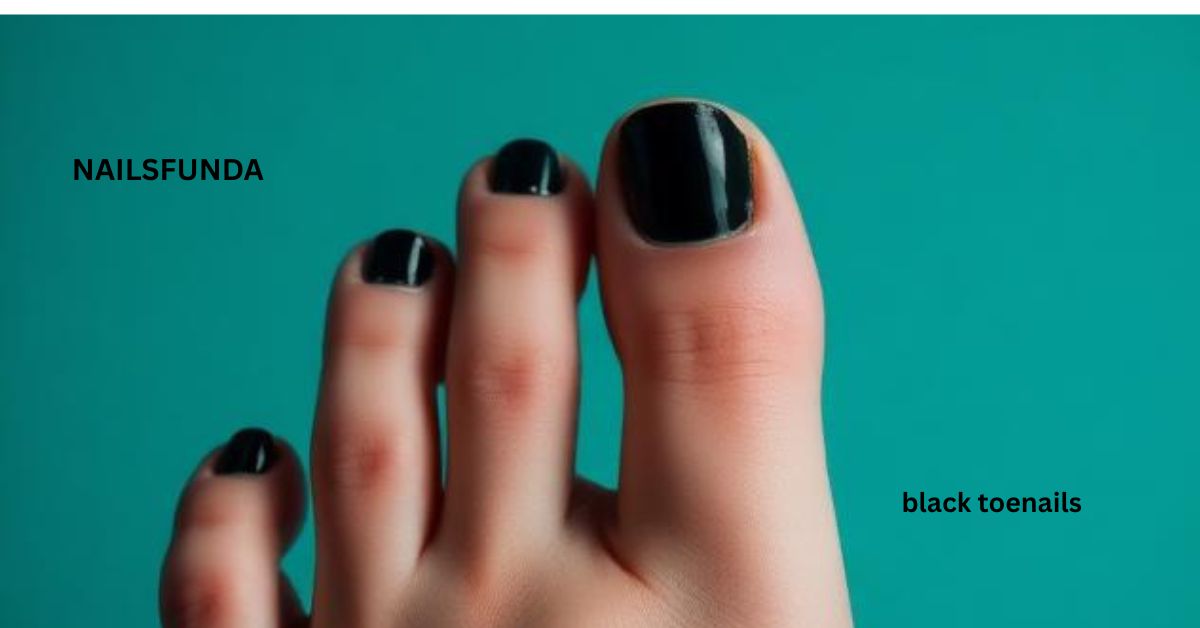
Black toenails are more than just a cosmetic concern—they can signal injury, infection, or serious health issues. Understanding the causes, symptoms, and prevention methods is essential for maintaining healthy toenails. This comprehensive guide provides 565+ tips, insights, and techniques to care for your nails effectively in 2026–2027.
Introduction: Why Black Toenails Matter
Black toenails occur when the nail turns dark brown, purple, or black. While some cases are caused by minor trauma and are harmless, others can indicate serious conditions, including fungal infections or melanoma. Proper care, prevention, and early recognition of symptoms can prevent complications and maintain foot health.
Causes, Risk Factors, and Trauma-Related Black Toenails
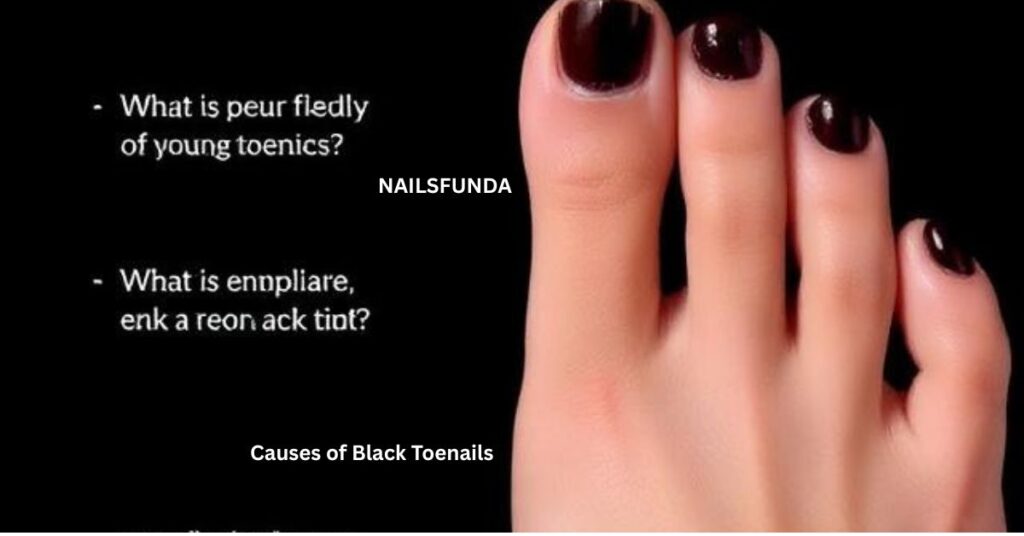
Causes of Black Toenails
- Stubbed toe, causing blood under the nail
- Dropped a heavy object on the toenail
- Repetitive trauma from running or hiking
- Ill-fitting shoes are causing friction
- Long-distance running or marathons
- High-impact sports like soccer or basketball
- Toenail fungus (onychomycosis)
- Poor foot hygiene
- Warm, moist environments encourage fungus
- Communal showers or gym floors
- Wearing tight socks during sports
- Wearing shoes too narrow for the toes
- Diabetes causes poor circulation
- Peripheral artery disease
- Subungual melanoma (rare but serious)
- Certain chemotherapy drugs
- Antibiotics that affect nail pigmentation
- Chemical exposure is damaging the nail
- Nail bed trauma from repetitive stress
- Injuries causing a subungual hematoma
- Stubbing multiple toes
- Dropping furniture or objects on the feet
- Nail damage from improper trimming
- In-grown toenails are causing darkening
- Nail lifting from trauma
- Excessive moisture under the nail
- Wearing non-breathable footwear
- Foot infections spreading to the nail
- Genetic predisposition to brittle nails
- Vitamin deficiency affecting nail health
- Iron deficiency causing nail changes
- Zinc deficiency weakens nails
- Repeated foot impact during running
- Hiking with improper shoes
- Soccer cleats rubbing nails
- Ballet or dance shoes pressing on toes
- Gymnastics footwork is causing trauma
- Military or marching exercises with boots
- Rock climbing without protective footwear
- Frequent pedicures without sterilized tools
- Poor nail polish removal techniques
- Use of acrylic nails is causing damage
- Gel nail extensions are pulling on the natural nail
- Trauma from dropping weights in the gym
- Ice skating boots rubbing on toenails
- Cycling with tight shoes
- Hiking in wet boots
- Long-distance walking on rough terrain
- Obesity is increasing pressure on toenails
- Aging nails are prone to injury
More Causes & Lifestyle Risk Factors
- Standing for long hours without breaks
- Diabetes with neuropathy increases the risk of unnoticed injuries
- Poor circulation from smoking
- Hypertension affects nail health
- Repetitive foot friction in work boots
- Hiking on uneven surfaces
- Frequent running on hard surfaces
- Walking barefoot on rough terrain
- Using public pools without flip-flops
- Nail trauma from furniture edges
- Wearing pointed shoes to events
- Tight shoes at weddings or parties
- Using nail polish with harsh chemicals
- Repeatedly wearing gel polish
- Dropping objects in workshop settings
- Gardening without protective footwear
- Trauma from sports balls
- Hiking with non-cushioned shoes
- Cycling in shoes with hard soles
- Wearing old or worn-out shoes
- Wearing socks that bunch under the toes
- Using nail clippers improperly
- Cutting nails too short
- Not trimming nails regularly
- Using sharp objects to clean nails
- Trauma during pedicure procedures
- Nail bed bruising during exercise
- Pressure from tight sandals
- Climbing stairs with heavy boots
- Prolonged running on uneven roads
- Hiking in rainy conditions
- Ski boots pressing toenails
- Nail lifting due to trauma
- Improper footwear during sports
- Nail trauma from running spikes
- Falling objects at home
- Shoes with seams pressing nails
- Using nail polish remover excessively
- Chemical irritation under the toenail
- Nail lifting after injury
- Damage from acrylic nail removal
- Nail lifting from gel polish
- Subungual bleeding after a stubbed toe
- Toenail bruising from repetitive motion
- Pressure from dance shoes
- Trauma from accidental drops
- Nail bed injury during sports
- Tight socks are causing nail compression
- Pressure from work boots
- Trauma during hiking or climbing
Sports & Activity-Related Black Toenails
- Running long distances in tight shoes
- Soccer cleats rubbing toes
- Basketball shoes pressing on nails
- Dancing in tight ballet shoes
- Gymnastics foot impact
- Rock climbing foot trauma
- Hiking on rocky terrain
- Cycling in stiff shoes
- Ski boots pressing toenails
- Ice skating boots are causing pressure
- Sprinting on hard surfaces
- Repeated running causing subungual hematoma
- Soccer ball hitting toes
- Weightlifting dropping weights on toes
- Basketball jumping impacts
- Martial arts foot trauma
- High-intensity interval training stress
- Gym foot equipment trauma
- Repetitive foot friction during sports
- Running on uneven terrain
Health-Related Causes
- Diabetes reducing healing of nails
- Poor circulation leading to bruising
- Peripheral artery disease
- Vitamin deficiencies (B12, zinc, iron)
- Chemotherapy side effects
- Medications that darken nails
- Hormonal imbalances
- Obesity increases foot pressure
- Neuropathy masking injuries
- Fungal infections turning nails black
- Subungual melanoma
- Rare skin diseases
- Nail tumors
- Systemic infections
- Hematologic disorders causing bleeding
- Aging nails are prone to damage
- Trauma from falls
- Accidental stubbing
- Pressure from heavy objects
- Toe deformities causing friction
Fungal, Environmental & Miscellaneous Causes
- Fungal infections from wet shoes
- Walking barefoot in gyms
- Using communal showers
- Nail trauma during pedicures
- Acrylic nails are causing lifting
- Gel polish trauma
- Nail polish remover overuse
- Chemical exposure in the workplace
- Nail bed bruising from repetitive pressure
- Tight socks or shoes
- Footwear with seams pressing nails
- Hiking on rough terrain
- Prolonged running on hard surfaces
- Sports spikes are causing bruising
- Ballet shoes pressing toes
- Weightlifting accidents
- Dropped tools
- Gardening without protection
- Skating boots
- Ski boots pressing nails
- Cycling shoes with hard soles
- Subungual hematoma from minor trauma
- Repetitive friction
- Nail lifting due to trauma
- Chemical irritation
- Nail tumors (rare)
- Blood disorders
- Aging nails
- Neuropathy masking trauma
- Diabetes with poor healing
- Arthritis causing nail deformation
- Long toenails catching in shoes
- Wearing pointed shoes
- High heels are causing repeated trauma
- Hiking with non-cushioned boots
- Hiking in the rain causes soft nails
- Cycling on rough terrain
- Foot injuries during sports
- Foot trauma during play
- Walking barefoot on hard surfaces
- Nails pressing against shoes
- Wearing old shoes
- Toenail injuries at home
- Pressure from furniture
- Stubbing toes on stairs
- Dropped objects at home
- Heavy lifting without proper footwear
- Pedicure trauma
- Nail filing too deeply
- Gel nail removal injuries
Symptoms and Early Warning Signs of Black Toenails
- Dark purple or black discoloration on the nail
- Pain or throbbing under the nail
- Swelling around the affected toe
- Redness at the base of the nail
- Nail lifting from the nail bed
- Separation of nail from the surrounding skin
- Foul odor, indicating infection
- Tenderness when touched
- Nail thickening
- Crumbling or brittle nails
- Slow nail growth
- Dark streaks extending from the cuticle to the tip
- Pain during walking or exercise
- Inflammation around the nail
- Blisters under or around the nail
- Nail discoloration without trauma
- Multiple nails are affected simultaneously
- Small black spots under the nail
- Nail surface becoming uneven or ridged
- Sensitivity to pressure
- Brownish-black streaks at the base
- Nail turning opaque instead of translucent
- Persistent nail bruising after a minor injury
- Pain after running or long walks
- Nail softening due to infection
- Thickened edges of the nail
- Nail lifting partially from the nail bed
- A black toenail accompanied by swelling of the toe
- Slight bleeding is visible under the nail
- Gradual darkening over weeks
- Discoloration following high-impact sports
- Nail separating at the corners
- Micro-tears in the nail plate
- Black or dark purple nails post-marathon
- Discoloration after hiking in boots
- Tenderness without obvious trauma
- Nail splitting along the length
- Persistent nail pain during exercise
- Nail bending easily due to softening
- Nails bruising easily from light pressure
- Thickened toenails with black streaks
- Discoloration from fungal infection
- Nail separation due to repeated trauma
- Darkened nail post-soccer or football
- Pain under the nail while wearing shoes
- Cracks at nail edges
- Dark spots appearing under old nail polish
- Toenail bleeding after stubbing
- Pressure sensitivity along nail sides
- Nail turning dark after hiking on uneven terrain
- Gradual darkening with minor pain
- Nails are turning black from tight cleats
- Pain with nail pressure in sports
- Discoloration along the nail fold
- Slight bleeding with a thickened nail
- Nail base bruising
- Pain after dropping objects on the toe
- Swelling following minor trauma
- Nail thickening and darkening simultaneously
- Multiple small black spots across the nail
- Nail developing soft layers under the black area
- Discoloration not growing out with the nail
- Toenail becoming fragile
- Nail pain during a pedicure
- A subungual hematoma is visible under the nail
- The nail surface is becoming glossy due to bruising
- Pain while wearing closed shoes
- Toenail discoloration after marathon training
- Black streaks from nail cuticle to tip
- Nail lifting slightly due to trauma
- Softening of the nail tip
- Swelling localized to the nail bed
- Subtle purple tint on nail
- Bruising appears slowly over days
- Nail tender to touch without bleeding
- Nail lifting post gel polish removal
- Nail bending under pressure
- Discoloration without swelling
- Cracks appearing at the tip
- Minor bleeding under a thickened nail
- Nail surface roughness
- Tender edges along the nail fold
- Dark spots after repeated friction
- Nail turning opaque with dark streaks
- Nail thickness is increasing gradually
- Discoloration after tight socks
- Nail bruising is visible after a hike
- Nail lifting at corners
- Slight soreness while walking
- Dark streaks forming longitudinally
- Pain after wearing narrow shoes
- Subtle black lines are visible under the polish
- Tender nail base after sports
- Gradual color change from brown to black
- Nail cracking along the sides
- Pain during nail trimming
- Black nail spots after repetitive trauma
- Nail splitting along the middle
- Slight bleeding without injury
- Discoloration fades slowly with time
Prevention, Home Remedies, and Daily Nail Care
Prevention Strategies
- Always wear shoes with proper toe room
- Choose cushioned footwear for sports
- Use moisture-wicking socks
- Replace worn-out shoes regularly
- Avoid pointed or tight shoes
- Trim nails straight across
- Avoid cutting nails too short
- Maintain proper foot hygiene
- Dry feet thoroughly after washing
- Avoid walking barefoot in communal showers
- Disinfect nail clippers before use
- Avoid sharing shoes or socks
- Apply protective toe pads during exercise
- Elevate feet after trauma
- Ice toe after a minor injury
- Avoid repetitive stress on toes
- Check nails regularly for changes
- Avoid excessive nail polish or acrylic nails
- Apply antifungal powder if prone to infections
- Avoid wearing wet shoes for prolonged periods
- Wear breathable footwear in humid climates
- Avoid trauma during pedicures
- Do not pop blisters under nails
- Seek professional care for severe nail injuries
- Avoid excessive force while trimming nails
- Keep toenails at a moderate length
- Avoid gel polish during nail trauma recovery
- Limit long runs in tight shoes
- Protect toes during hiking
- Use proper socks for running
- Wear shoes appropriate for the activity
- Check for subungual hematoma after sports
- Treat fungal infections early
- Avoid walking barefoot outdoors
- Disinfect surfaces at home for nail health
- Avoid shared nail tools at salons
- Limit chemical exposure on nails
- Moisturize cuticles regularly
- Avoid scratching or picking at the nail
- Keep nails clean under the edges
- Rotate footwear to reduce friction
- Avoid tight cleats during sports
- Use cushioned insoles for shock absorption
- Avoid tight socks during long runs
- Schedule routine podiatry checkups
- Be mindful of nail injuries during daily activities
- Avoid standing for prolonged hours without breaks
- Wear protective footwear at work
- Inspect nails after hiking or sports
- Avoid excessive pressure from heavy objects
Home Remedies for Black Toenails
- Ice packs for trauma
- Elevation to reduce swelling
- Warm soaks for minor pain
- Antifungal creams for fungal infections
- Tea tree oil application for fungus
- Apple cider vinegar soaks to prevent fungus
- Hydrogen peroxide to clean minor injuries
- Avoid harsh chemicals on nails
- Over-the-counter painkillers for discomfort
- Epsom salt soaks to reduce inflammation
- Aloe vera gel for soothing the nail bed
- Coconut oil application to strengthen nails
- Maintain dry feet after remedies
- Avoid tight shoes after nail trauma
- Cushioning pads for walking
- Nail trimming to avoid snagging
- Gentle filing to smooth rough edges
- Avoid scratching infected nails
- Use breathable socks post-soaks
- Monitor for infection signs
Daily Toenail Care Tips
- Inspect nails every morning
- Wash feet with mild soap
- Dry between toes carefully
- Moisturize nails and cuticles
- Trim nails weekly
- File edges gently
- Rotate shoes for breathability
- Keep socks clean and dry
- Avoid sharing socks
- Disinfect nail tools regularly
- Avoid picking or peeling nails
- Observe nail color changes
- Avoid prolonged wetness in shoes
- Wear shoes appropriate for the weather
- Avoid barefoot walking on hard surfaces
- Protect nails during sports
- Elevate feet after long walks
- Ice feet after minor trauma
- Monitor nail thickness
- Check for black spots early
- Avoid tight nail polish
- Limit gel polish use
- Avoid harsh nail treatments
- Apply antifungal powder if prone to infections
- Keep toenails at a moderate length
- Avoid nail trauma from furniture
- Use padded socks for running
- Avoid repetitive friction during exercise
- Protect nails from dropped objects
- Consult a podiatrist for unusual changes
Advanced Care, Treatment, and Professional Guidance
Treatment Options for Black Toenails
- Observe minor trauma—most black toenails heal naturally
- Apply ice to reduce swelling
- Elevate the foot to prevent blood pooling under the nail
- Over-the-counter pain relievers for discomfort
- Drain subungual hematoma under medical supervision
- Consult a podiatrist for persistent discoloration
- Apply antifungal creams for fungal infections
- Use oral antifungal medications for severe infections
- Avoid nail polish during treatment
- Keep nails clean and dry
- Trim damaged nails carefully
- Use protective footwear to prevent further trauma
- Apply topical antibiotics if infection is suspected
- Avoid walking barefoot on hard surfaces
- Monitor nail growth and regrowth patterns
- Use cushioned socks to reduce friction
- Replace worn-out shoes regularly
- Avoid gel or acrylic nails until the nail recovers
- Avoid chemical exposure to nails
- Consult a dermatologist for suspicious dark streaks
- Take photographs of the nail for medical records
- Schedule follow-ups for slow-healing
- Limit high-impact activities until recovery
- Use antifungal powder in shoes
- Keep the nail bed dry after bathing or exercise
- Monitor for secondary infections
- Apply vitamin-rich oil to strengthen nail
- Avoid cutting cuticles aggressively
- Monitor for nail thickening
- Observe nail discoloration trends in black toenails
- Avoid walking barefoot in communal areas
- Limit long-distance running after recent trauma
- Protect nails during gardening, black toenails
- Avoid nail trauma from furniture edges
- Use silicone toe protectors for cushion
- Avoid exposing nails to extreme temperatures
- Elevate your toes after long periods
- Keep toenails at a moderate length
- Trim straight across to prevent ingrown nails
- Avoid wearing tight socks
- Avoid high heels post-trauma black toenails
- Limit repetitive friction on the affected toe
- Keep nails free from polish for inspection
- Disinfect nail tools before and after use on black toenails
- Avoid biting or picking at nails
- Moisturizethe surrounding skin to prevent cracks
- Avoid prolonged wet shoe exposure
- Inspect other nails for early symptoms
- Seek medical attention if nail separation occurs
- Avoid using sharp tools to clean under the nail
- Use protective boots during heavy labor
- Avoid chemical foot treatments for black toenails
- Avoid pedicures until healing
- Consider laser therapy for a persistent fungal infection
- Use breathable socks to reduce moisture
- Consider a foot soak with antifungal additives
- Avoid standing for long hours without breaks
- Wear comfortable shoes during recovery
- Avoid tight straps over toes
- Limit intense sports during the healing of black toenails
- Monitor for nail regrowth anomalies
- Take photos periodically for monitoring
- Maintain a proper diet for nail health
- Include biotin, zinc, and protein-rich foods
- Avoid trauma from accidental drops
- Apply protective padding for sports activities
- Keep nails free from gel polish, black toenails
- Avoid nail polish removers with acetone
- Limit long runs or hikes until the nail fully recovers
- Avoid walking barefoot on hard floors
- Keep nails clean after every activity
- Disinfect communal surfaces when possible
- Avoid wearing wet shoes for long periods
- Wear proper-fitting shoes with a wide toe box
- Observe the nail bed for color changes
- Protect nails from repetitive friction
- Limit long periods in tight footwear
- Consult a podiatrist if the nail thickens abnormally
- Avoid exposing nails to trauma during sports
- Treat fungal infections promptly, black toenails
- Consider medical-grade antifungal creams
- Avoid picking at flaking nail
- Maintain proper foot hygiene
- Observe the nail for infection signs
- Avoid prolonged pressure from cleats
- Elevate the toe after repetitive stress
- Wear cushioned insoles
- Protect nails from accidental bumps
- Avoid harsh chemical exposure
- Limit physical activity, causing pressure
- Keepthe nail area ventilated
- Avoid repeated trauma during sports
- Observe nail growth for uneven patterns
- Avoid walking barefoot on wet surfaces
- Keep toenails trimmed moderately
- Monitor for nail lifting
- Seek medical attention for black streaks without trauma
- Avoid tight socks for long periods
- Maintain a consistent nail care routine
Special Cases, Athlete Care, Diabetes, FAQs, and Final Thoughts
Special Care for Athletes
- Wear wide, cushioned athletic shoes
- Use moisture-wicking socks
- Avoid tight cleats during long practices
- Trim toenails before intense activity
- Apply toe protectors or padding
- Monitor nails after marathons or races
- Avoid gel or acrylic nails for athletes
- Rest after minor nail trauma
- Elevate and ice toes post-exercise
- Disinfect footwear regularly
Special Considerations for Diabetics
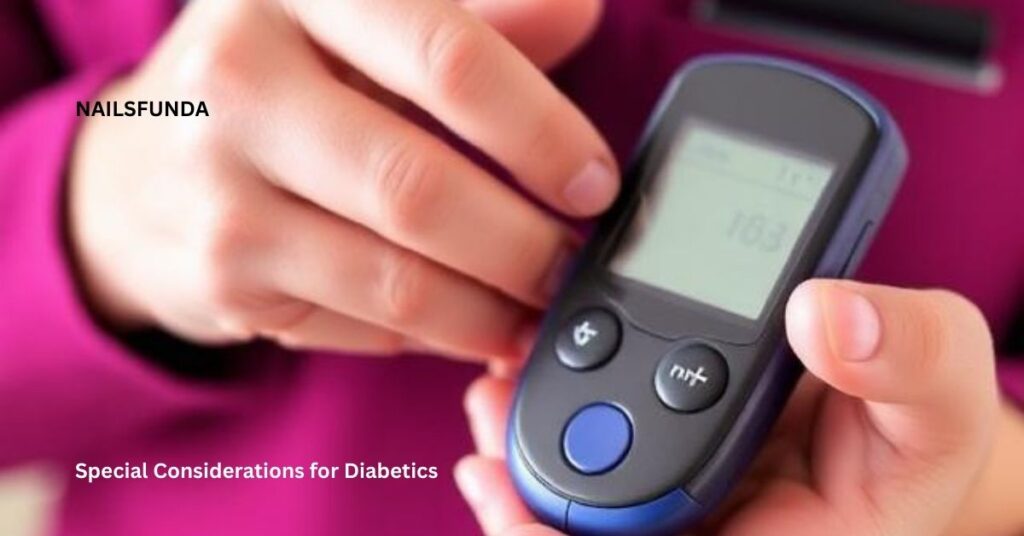
- Inspect nails daily
- Keep feet clean and dry
- Avoid trauma to nails
- Consult a podiatrist for any discoloration
- Limit tight footwear
- Avoid long-standing positions
- Use antifungal treatments early
- Monitor the growth and thickness
- Avoid nail cutting too deeply
- Apply protective padding during activity
FAQs About Black Toenails
- Can black toenails heal naturally?
Yes, minor trauma-induced black toenails often grow out over several months. - How long does it take for a black toenail to recover?
Toenails grow 1–2 mm per month, so complete regrowth can take 6–12 months. - Are black toenails always caused by injury?
No, they can also be caused by fungal infections, medications, or serious conditions like melanoma. - Can fungal infections cause black toenails?
Yes, untreated fungal infections can darken nails and cause thickening. - Are black toenails painful?
Pain depends on the cause; trauma usually causes pain, while fungal infections may be painless. - How can athletes prevent black toenails?
Proper footwear, cushioned socks, and protective padding reduce risk. - Can nail polish cause black toenails?
Long-term dark polish may stain nails but rarely causes true black discoloration. - When should I see a doctor?
Seek medical attention for persistent discoloration, pain, swelling, or unusual streaks. - Is a black toenail a sign of cancer?
Rarely. Subungual melanoma may present as dark streaks without trauma. - How do doctors treat black toenails?
Treatment depends on the cause: drainage for trauma, antifungals for infections, or medical intervention for serious conditions. - Can black toenails occur without trauma?
Yes, systemic issues, fungal infections, or melanoma can darken nails without injury. - How can I reduce pain from a black toenail?
Ice, elevation, and over-the-counter painkillers help manage pain. - Can black toenails affect other nails?
Yes, fungal infections or systemic conditions may spread to multiple nails. - Is it safe to remove a black toenail myself?
No, removal should only be done by a medical professional to avoid infection. - How do I prevent the recurrence of black toenails?
Maintain foot hygiene, proper footwear, and avoid repeated trauma.
Final Thoughts
Black toenails are common but should never be ignored. They can arise from trauma, fungal infections, ill-fitting footwear, or serious medical conditions. Early detection, proper care, and preventive strategies are crucial to keeping toenails healthy.
By following:
- Proper foot hygiene
- Protective footwear
- Nail monitoring and trimming
- Prompt medical care for persistent issues
…you can prevent most black toenail problems and maintain healthy, strong, and attractive nails.
Remember: not all black toenails are dangerous, but persistent or unexplained discoloration warrants professional attention. Healthy nails are a reflection of overall foot care and lifestyle.
One thought on “565+ Black Toenails: Causes, Symptoms, Prevention, and Complete Care Guide 2026–2027”