





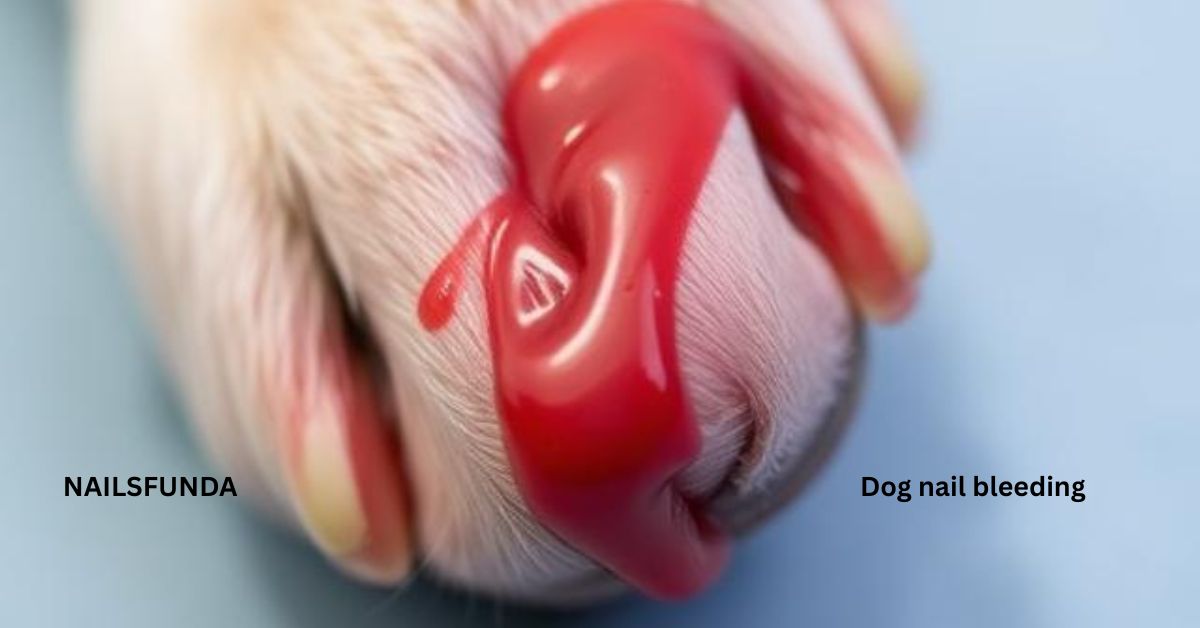
Dog nail bleeding is one of the most common (and scary!) grooming emergencies dog parents face. Whether it happens during nail trimming, rough play, or an accidental snag, dog nail bleeding can look dramatic—but with the right knowledge, it’s usually manageable at home.
This fully detailed, user‑friendly guide walks you through everything you need to know about dog nail bleeding, from causes and emergency steps to prevention, vet care, FAQs, and practical tips you can trust.
Key Takeaways
- Dog nail bleeding is common and usually not dangerous if handled correctly.
- Most bleeding happens when the quick is cut or injured.
- Knowing how to stop dog nail bleeding quickly reduces pain and stress.
- Prevention through proper trimming, tools, and training is essential.
- Some cases of bleeding from a dog’s nail require veterinary attention.
Why Do Dog Nails Bleed?
Dog nails bleed because they contain a sensitive inner structure called the quick, which houses blood vessels and nerves. When this area is damaged, dog nail bleeding occurs.
Common Causes Explained
- Cutting the nail too short during trimming
- Accidentally nicking the quick
- Overgrown nails that curve into the quick
- Dark-colored nails hide the quick
- Slipping during nail clipping
- Using dull nail clippers
- Sudden dog movement while trimming
- Lack of nail‑trimming experience
- Rough outdoor play
- Nails catching on carpets
- Nail snagging on furniture
- Broken or cracked nails
- Nail splitting from dryness
- Trauma from jumping
- Running on hard surfaces
- Thin or brittle nails
- Nutritional deficiencies
- Poor nail health
- Fungal nail infections
- Bacterial nail infections
- Autoimmune disorders
- Blood clotting disorders
- Hemophilia in dogs
- Liver disease
- Kidney disease
- Cancer affecting nail beds
- Allergic inflammation
- Excessive licking of paws
- Anxiety-related chewing
- Long-term neglect of nail care
- Puppy nails are extra delicate
- Senior dogs with fragile nails
- Obesity causes nail stress
- Incorrect grooming angles
- Using human nail clippers
- Poor lighting during trimming
- Slippery grooming surfaces
- Fear-induced jerking
- Nail trauma from crates
- Aggressive scratching behavior
- Playing with rough toys
- Ice or salt exposure
- Extremely dry weather
- Hot pavement damage
- Nail deformities
- Genetic nail weakness
- Nail bed tumors
- Poor circulation
- Hormonal disorders
- Long, quick due to infrequent trims
- Stress-related nail damage
- Slamming paws in doors
- Nail grinding accidents
- Overuse of nail grinders
- Nails overheating from grinders
- Poor grooming restraint
- Nail caught in fencing
- Excessive digging
- Running on gravel
- Improper grooming training
- Groomer error
- DIY grooming without education
- Unstable grooming tables
- Poor posture during trims
- Paw pad injuries affecting nails
- Frostbite-related nail damage
- Burn injuries
- Insect bites near nails
- Swelling causing nail pressure
- Ingrown nails
- Dewclaw injuries
- Broken dewclaws
- Trauma during transport
- Accidents at dog parks
- Nail stress from agility sports
- Working dog overuse
- Hunting injuries
- Climbing injuries
- Nail infections spreading
- Chronic inflammation
- Poor immune function
- Stress‑related health decline
- Poor-quality grooming tools
- Improper nail angles
- Overconfidence during trimming
- Ignoring warning signs
- Pain‑induced sudden movements
- Slippery paws
- Wet nails are softer
- Nail trauma after baths
- Nail damage from snow boots
- Poor-fitting dog shoes
- Nail cracking from chemicals
- Exposure to cleaning agents
- Nail weakness from medications
- Steroid side effects
- Chemotherapy effects
- Vitamin deficiencies
- Calcium imbalance
- Zinc deficiency
- Brittle nails from aging
- Underlying skin disease
- Excessive nail filing
- Nail grinding without breaks
- Fear-based grooming resistance
- Poor early socialization
- Lack of desensitization training
- Nail trauma during vet visits
- Accidental stepping injuries
- Heavy objects falling on paws
- Nail damage from dog fights
- Overgrown dewclaws curling inward
- Paw swelling is altering the nail position
- Nail splitting along the quick
- Nail tearing instead of cutting
- Sudden temperature changes
- Rough boarding conditions
- Nail trauma during travel
- Neglect of regular checks
- Lack of owner education
How to Stop Dog Nail Bleeding at Home
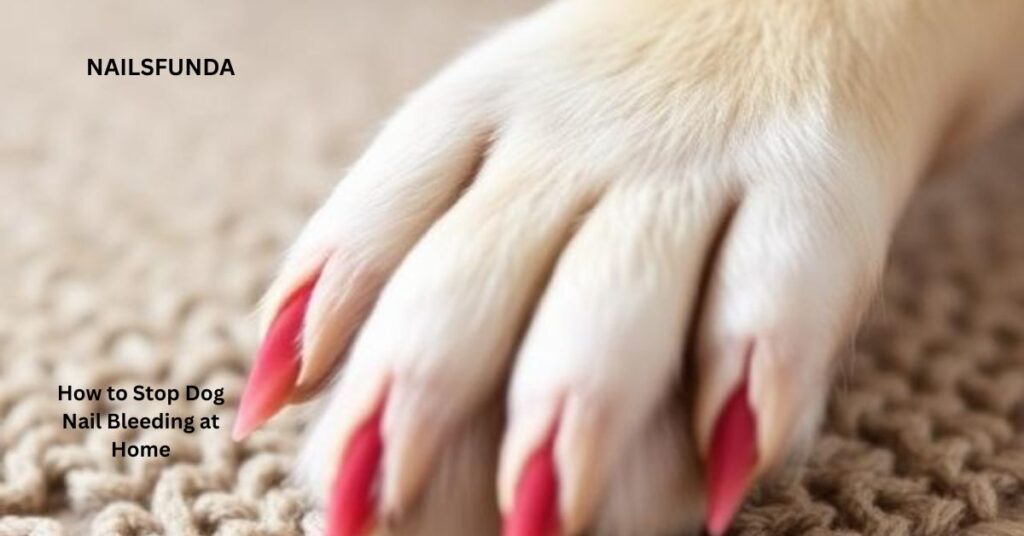
When a dog’s nail bleeds, staying calm is the most important first step. Dogs react strongly to human stress.
Immediate Home Care Steps
- Stay calm and reassure your dog
- Gently restrain your dog
- Lift the bleeding paw
- Apply steady pressure
- Use a clean cloth or gauze
- Hold pressure for 2–5 minutes
- Do not peek too early
- Use styptic powder if available
- Apply the styptic pencil directly
- Use cornstarch as an alternative
- Use flour in emergencies
- Press nail into powder
- Avoid wiping repeatedly
- Keep the paw elevated
- Prevent licking or chewing
- Use an e‑collar if needed
- Keep the dog still
- Speak softly
- Avoid punishment
- Do not panic
- Avoid hydrogen peroxide
- Avoid alcohol on the wound
- Do not use human pain relievers
- Clean the surrounding fur gently
- Monitor bleeding closely
- Continue pressure if bleeding persists
- Use a clean bandage if needed
- Wrap loosely, not tight
- Remove the bandage after bleeding stops
- Keep the dog indoors temporarily
- Limit activity for 24 hours
- Avoid rough play
- Avoid wet surfaces
- Keep nails dry
- Check the nail after 10 minutes
- Reapply pressure if bleeding resumes
- Use ice wrapped in a cloth briefly
- Never apply ice directly
- Keep the wound clean
- Watch for swelling
- Check for signs of pain
- Offer treats for calm behavior
- Distract with gentle petting
- Keep other pets away
- Ensure good lighting
- Avoid re‑cutting the nail
- Do not grind further
- Trim only when calm
- Take breaks during grooming
- Use the muzzle only if necessary
- Prevent running
- Prevent jumping
- Avoid stairs
- Use bootie temporarily
- Monitor overnight
- Check for infection signs
- Redness
- Heat
- Discharge
- Limping
- Excessive licking
- Use an antiseptic spray if approved
- Follow vet advice
- Document the incident
- Learn the quick location
- Switch to a nail grinder
- Improve trimming technique
- Trim small amounts
- Trim frequently
- Use treats for desensitization
- Reward cooperation
- Practice touching paws
- Build trust gradually
- Choose a quiet environment
- Trim after walks
- Nails are softer than
- Use a headlamp for visibility
- Have supplies ready
- Keep styptic powder nearby
- Know when to stop
- End the session positively
- Praise your dog
- Avoid future fear
- Stay consistent
- Seek grooming help if needed
- Learn dog body language
- Watch stress signals
- Stop if the dog struggles
- Resume later
- Keep sessions short
- Train cooperative care
- Use lick mats
- Practice weekly
- Trim one nail at a time
- Rotate paws
- Avoid rushing
- Maintain a calm tone
- Clean tools after use
- Disinfect clippers
- Replace dull tools
- Use quality brands
- Understand nail anatomy
- Learn the quick length
- Observe nail color changes
- Adjust for dark nails
- Shine light through the nail
- Trim tiny slivers
- Stop before the pink center
- Keep a first‑aid kit ready
- Include gauze and powder
- Stay prepared always
- Teach family members
- Educate caregivers
- Inform groomers
- Ask the vet for a demo
- Watch the vet trim nails
- Record instructions
- Use calming pheromones
- Play soothing music
- Create a positive routine
- Avoid force
- Avoid yelling
- Keep sessions predictable
- End before stress peaks
- Gradually increase tolerance
- Celebrate success
- Keep nails short consistently
- Prevent long, quick growth
- Check dewclaws
- Trim dewclaws carefully
- Monitor healing daily
- Avoid infection exposure
- Clean bedding
- Wash blankets
- Disinfect floors
- Limit outdoor dirt
- Keep paw dry
- Use a cone if needed
- Watch for re‑bleeding
- Call the vet if unsure
- Trust your instincts
- Prioritize comfort
- Avoid unnecessary medications
- Follow professional advice
- Document the frequency of bleeding
- Adjust grooming schedule
- Address anxiety
- Use behavior training
- Consult the trainer if needed
- Combine care and patience
- Build a lifelong habit
- Reduce future emergencies
- Keep the dog confident
- Maintain healthy nails
- Prevent dog nail bleeding long‑term
- Stay prepared, always
How to Prevent Dog Nail Bleeding
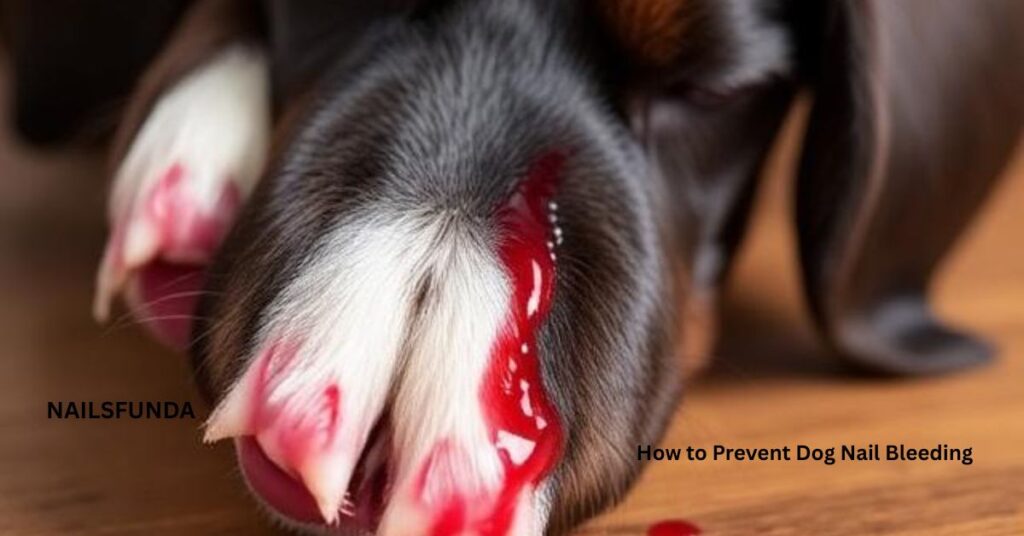
Prevention is the best cure. Regular, gentle nail care dramatically reduces incidents of dog nail bleeding.
Prevention Tips
- Trim nails regularly
- Trim small amounts
- Use proper tools
- Replace dull clippers
- Use grinders cautiously
- Learn nail anatomy
- Identify the quick
- Trim every 2–4 weeks
- Walk dogs on the pavement
- Maintain nail health
- Provide balanced nutrition
- Supplement if vet‑approved
- Keep paws moisturized
- Avoid over‑bathing
- Dry paws thoroughly
- Inspect nails weekly
- Address cracks early
- Treat infections promptly
- Manage allergies
- Reduce excessive licking
- Train calm grooming behavior
- Desensitize puppies early
- Reward cooperation
- Create routine
- Keep grooming positive
- Choose a quiet environment
- Avoid rushing
- Maintain a consistent schedule
- Seek a professional groomer’s help
- Choose experienced groomers
- Communicate concerns
- Avoid trimming when stressed
- Monitor senior dogs closely
- Adjust for health issues
- Trim after exercise
- Keep styptic handy
- Learn first aid
- Educate family
- Watch grooming videos
- Attend vet demos
- Use headlamp
- Trim in good lighting
- Sit at a comfortable height
- Support the paw properly
- Avoid twisting joints
- Keep the dog relaxed
- Use calming aids
- Maintain a healthy weight
- Prevent obesity stress
- Address medical causes
- Monitor clotting disorders
- Regular vet checkups
- Vaccinate appropriately
- Manage chronic illness
- Track nail growth patterns
- Adjust trimming frequency
- Avoid extreme environments
- Protect paws outdoors
- Use booties if needed
- Keep nails short year‑round
- Avoid letting nails curl
- Check dewclaws monthly
- Maintain a clean living space
- Prevent nail trauma
- Supervise rough play
- Trim before travel
- Prepare for boarding
- Inform caregivers
- Keep records
- Stay proactive
- Be patient
- Build trust
- Focus on comfort
- Reduce fear
- Improve confidence
- Keep the dog calm
- Maintain grooming habit
- Prevent emergencies
- Prioritize safety
- Protect nail quick
- Prevent dog nail bleeding effectively
When to See Your Vet
Some cases of dog nail bleeding require professional care.
Veterinary Warning Signs
- Bleeding won’t stop after 20 minutes
- Excessive blood loss
- Deep nail break
- Nail torn at the base
- Severe pain
- Limping persists
- Swelling increases
- Signs of infection
- Fever
- Lethargy
- Pale gums
- Bleeding from multiple nails
- History of clotting disorders
- Repeated nail bleeding
- Nail bed tumors are suspected
- Discharge or odor
- Behavioral changes
- Loss of appetite
- Chronic nail issues
- Underlying illness
- Autoimmune disease
- Cancer suspicion
- Trauma with fractures
- Severe anxiety reactions
- Inability to restrain safely
- Puppy with heavy bleeding
- Senior dog complications
- Medication interactions
- Bleeding after minor trims
- Nail deformities
- Sudden nail weakness
- Multiple cracked nails
- Nail infections spreading
- Systemic illness signs
- Persistent licking
- Broken dewclaw bleeding
- Injury involving the bone
- Signs of shock
- Excessive swelling
- Bleeding resumes repeatedly
- Poor wound healing
- Underlying endocrine disease
- Liver disease signs
- Kidney disease signs
- Blood disorders
- Vet recommends evaluation
- The owner feels unsure
- Safety concerns
- Pain not improving
- Infection worsening
- Nail bed exposure
- Abnormal nail growth
- Behavioral distress
- Chronic grooming trauma
- Emergencies
- Professional care needed
- Trust veterinary guidance
- Early intervention helps
- Prevent complications
- Protect long‑term health
- Maintain comfort
- Ensure recovery
- Support healing
- Follow vet instructions
- Prioritize your dog’s well‑being
FAQs
Q: Is a dog’s nail bleeding dangerous?
Usually no, but persistent bleeding needs vet care.
Q: How long should a dog’s nail bleeding last?
Typically, 5–10 minutes with proper pressure.
Q: Can I use flour for dog nail bleeding?
Yes, in emergencies, but styptic powder works best.
Q: Why does my dog’s nail bleed easily?
Long quicks, health issues, or trimming errors.
Q: Should I bandage a bleeding nail?
Only temporarily and not too tight.
Conclusion
Dog nail bleeding can be frightening, but with calm action, proper knowledge, and consistent prevention, it becomes manageable. By understanding causes, mastering first aid, and practicing regular nail care, you protect your dog’s comfort, confidence, and health.
Attributions
This article is for educational purposes and does not replace veterinary advice.