







In this blog
Everything you need to know about gel nails vs acrylic nails — application, pros, cons, maintenance, cost, durability, wedding suitability, nail health, and much more.
Share :
Share this guide with friends who are wondering whether to go for acrylic nails or gel nails.
What Are Acrylic Nails?
Acrylic nails are nail extensions created by mixing a liquid monomer with a powder polymer. Once applied, the mixture hardens naturally to form a strong layer over your natural nails. Acrylic nails are perfect for long, dramatic, or sculpted nails and are known for their durability. gel nails vs acrylic nails
How Acrylic Nails Are Applied
- Nail prep and cleaning
- Buffing the nail surface
- Primer application
- Mixing acrylic liquid and powder
- Sculpting onto the nail or tip
- Hardening naturally in the air
- Filing and shaping
- Polishing or nail art application
Acrylic Nail Pros
- Extremely strong and durable
- Perfect for long nail extensions
- Resistant to breakage
- Great for nail biters
- Ideal for dramatic nail shapes
- Can hold heavy nail art
- Lasts 3–4 weeks with fills
- Easy to repair if broken
- Affordable compared to gel nails
- Works well on uneven nail beds
- Can be customized into any shape
- Strong enough for active lifestyles
- Widely available in salons
- Suitable for layered nail art
- Can be used with tips or sculpted
- Stronger than gel nails for daily wear
- Water-resistant when applied properly
- Ideal for heavy-hand tasks
- Compatible with polish and nail art
- No lamp needed for curing
- Perfect for bold fashion statements
- Great for parties or festive nails
- Can be filed into intricate designs
- Fills prevent nail lifting
- Can be removed and reapplied safely
- Holds rhinestones, gems, and charms well
- Can be combined with nail wraps
- Suitable for sculpted nail designs
- Can add length to short nails
- Works well with French tip designs
- Allows for complex 3D nail art
- Durable enough for travel and vacation wear
- Maintains shape during manual work
- Provides a solid base for gel polish overlays
- Can be painted over with any type of polish
- Excellent for celebrity-inspired nails
- Works well for seasonal nail trends
- Can handle glitter and textured polish
- Supports intricate stamping designs
- Resistant to minor impacts
- Can last longer with proper care
- Suitable for professional salon settings
- Gives the illusion of longer fingers
- Can be adjusted in thickness for strength
- Helps protect weak natural nails
- Can resist nail-biting habits
- Provides a smooth canvas for airbrush designs
- Maintains durability in humid climates
- Works with both natural nail extensions and tips
- Provides salon-quality nails at home with proper kits
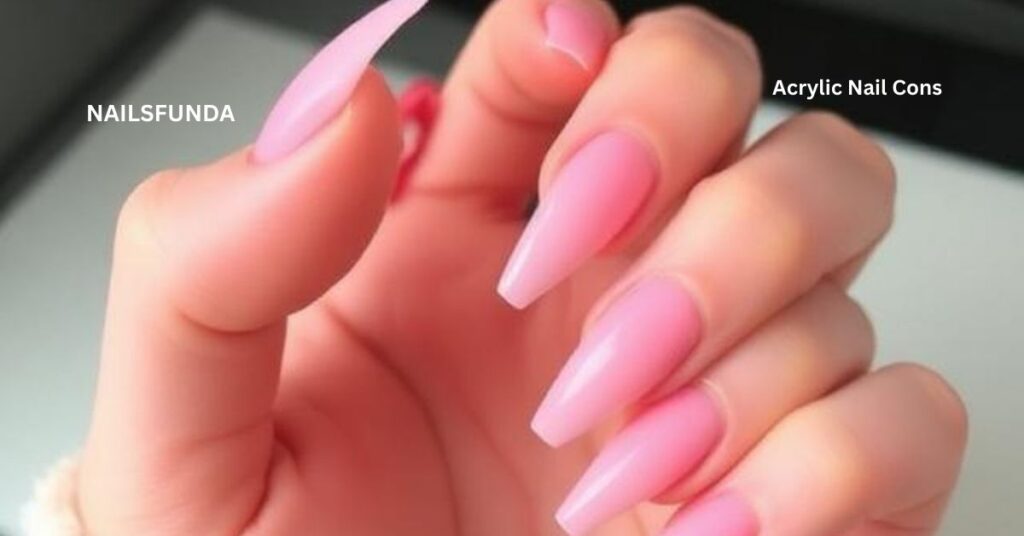
Acrylic Nail Cons
- Can feel heavy for beginners
- May damage natural nails if removed incorrectly
- Has a strong chemical odor
- Less flexible than gel nails vs acrylic nails
- Can yellow over time
- Needs professional removal
- Can feel bulky if not sculpted properly
- Requires regular fills every 2–3 weeks
- Not ideal for a minimal or natural look
- Can chip polish more easily than gel?
- May be uncomfortable initially
- Takes longer to apply than a simple polish
- Improper filing can weaken nails
- Over-filing thins natural nails
- Rough handling can break the acrylic layer
- Can trap moisture under the nail
- Continuous use may weaken natural nails
- May lift at edges if exposed to water too long
- Can interfere with typing or daily activities initially
- Acrylic powder may irritate skin if mishandled
- Requires salon expertise
- Some salons may over-buff, causing damage
- Can feel stiff and unnatural
- Heavy acrylics can crack under stress
- Difficult to remove at home without damage
- Needs careful filing to maintain shape
- May require extra care in hot climates
- Can be prone to fungal infections if not hygienic
- Acrylic tips may pop off if glued incorrectly
- Needs primer for proper adhesion
- Can cause temporary nail bed sensitivity
- Long acrylics may snag clothing
- Overuse can make nails brittle
- Can cause splitting if natural nails are weak
- Improper curing of acrylic can leave a sticky surface
- Not ideal for extremely short natural nails
- Some powders may contain allergens
- May appear artificial if too thick
- Removal can take 30–60 minutes
- Requires a professional technician for best results
- Can chip polish when filing incorrectly
- May limit water-based nail art options
- Acrylic nails can feel cold and hard
- Requires careful maintenance to avoid cracks
- Frequent fills increase salon visits
- Nail color may fade with time
- A harder texture may be uncomfortable
- Not suitable for sensitive skin types
- Can get air bubbles during application
- Overuse may require nail-strengthening treatments
What Are Gel Extensions?
Gel nails are nail extensions made from a gel-based formula, cured under UV or LED light. They are lighter, flexible, and natural-looking, making them ideal for subtle, elegant, or short nails. gel nails vs acrylic nails
Gel Extension Pros
- Looks natural and elegant
- Smooth, glass-like finish
- Lightweight and flexible
- Comfortable for everyday wear
- Less chemical odor during application
- Ideal for short to medium-length nails
- High-gloss finish
- Minimal maintenance required
- Gentle on nail beds, gel nails vs acrylic nails
- Perfect for weddings and formal events
- Less bulky than acrylics
- Matches natural nail curves
- Flexible under pressure
- Supports minimalistic nail art
- Resistant to minor chips
- Can last 2–3 weeks
- Gentler on natural nails
- Can be removed with soaking
- Can be sculpted with nail tips or overlays
- Smooth texture allows easy nail art
- Provides even nail coloring
- Light-reflecting shine, gel nails vs acrylic nails
- Soft enough for comfort
- Can sculpt elegant nail curves
- Modern salon favorite
- Provides subtle extension
- Less damage to natural nails
- Easier to maintain a glossy finish
- Can be combined with nail stickers
- Lightweight feel for typing
- Smooth surface for nail polish
- Easy to buff and file, gel nails vs acrylic nails
- Won’t lift easily with proper application
- Supports pastel and neutral designs
- Suitable for office-appropriate nails
- Ideal for teens and minimalists
- Perfect for seasonal trends
- Works well for bridal nails
- Supports French tips
- Great for a natural nail look
- Maintains polish longer than standard nails
- Won’t crack like acrylic under mild pressure
- Provides salon-quality shine
- Can be combined with gel polish
- Prevents peeling easily, gel nails vs acrylic nails
- Less harsh chemicals than acrylic
- More forgiving during DIY care
- Can incorporate glitter or light designs
- Suitable for sensitive skin
- Works well for short, natural nails
Gel Extension Cons
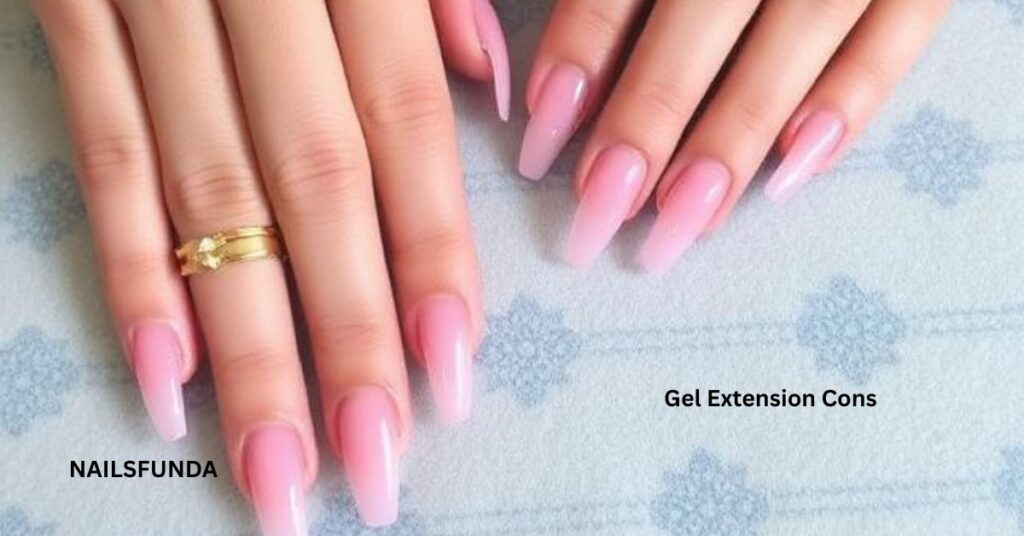
- Less durable than acrylics
- Not ideal for very long nails
- Requires a UV/LED lamp to cure
- More expensive than acrylics
- Repairs can be tricky, gel nails vs acrylic nails
- Prone to lifting if applied poorly
- A softer structure can bend
- Needs a skilled technician
- Not ideal for heavy manual work
- Shorter lifespan than acrylics
- Sensitive to heat, gel nails vs acrylic nails
- May require careful handling
- Can get sticky if under-cured
- Limited for thick designs
- Strong acids or solvents can damage the gel
- Limited extreme nail shape options
- Removal requires soaking, gel nails vs acrylic nails
- Over-curing can cause brittleness
- Costlier to maintain
- Requires professional filing for best results
- Less suitable for nail biters
- Certain polishes may not adhere
- Multiple coats are needed for strength
- Can peel if exposed to oil or lotion
- May require weekly checks for lifting
- Can’t handle heavy nail art easily
- May not hold rhinestones as well as acrylic
- Can crack under sudden impact
- Less suitable for water-heavy work
- Requires careful polish application
- May yellow under prolonged sunlight
- Overuse may thin nails
- Not ideal for frequent color changes
- Harder to do 3D nail art, gel nails vs acrylic nails
- Less supportive of sculpted extensions
- Limited in some salons
- Needs curing per layer
- Can overheat under a UV lamp
- Needs precise nail prep
- Prone to lifting if nail beds are oily
- Cannot extend the length excessively
- May require full removal for redesign
- Less forgiving for beginners
- Not as universally available
- Nail art may be limited to thin designs
- Requires patience during application
- More sensitive to polish remover
- Needs regular top coat maintenance
- Soft gel may dent under pressure
- Requires skilled hands for a perfect shine
Gel Nails vs Acrylic Nails:
Comfort & Daily Wear
- Gel nails feel lighter for typing
- Gel nails vs Acrylic nails can feel stiff
- Gel nails vs Acrylic nails are more flexible for hand movement
- Acrylic may restrict natural nail movement
- Gel nails vs Acrylic nails don’t interfere with small daily tasks
- Acrylic can feel like wearing armor initially
- Gel adapts to the natural nail curve
- Acrylic may feel colder in winter
- Gel nails vs Acrylic nails are gentle for long periods of wear
- Acrylic nails may cause finger fatigue if long
- Gel nails vs Acrylic nails feel smooth under gloves
- Acrylic nails may snag fabric
- Gel nails vs Acrylic nails are less likely to cause nail bed pain
- Acrylics may press against cuticles if too thick
- Gel extensions allow natural nail growth flexibility
- Acrylic nails can cause minor pressure spots
- Gel nails vs Acrylic nails are less prone to irritation
- Acrylics require more frequent filing for comfort
- Gel nails feel seamless when cured correctly
- Acrylic nails can be uncomfortable for new wearers
- Gel nails work well with short natural nails
- Acrylic nails perform better with longer natural nails
- Gel feels natural for office jobs
- Acrylic nails suit active or performance-based lifestyles
- Gel nails vs Acrylic nails are comfortable during travel
- Acrylics may chip or polish in extreme activity
- Gel nails reduce nail bed stress
- Acrylic nails may feel heavier when wet
- Gel nails vs Acrylic nails adjust better to daily moisture exposure
- Acrylic nails are resilient to heavy hand use
- Gel nails can withstand gentle impacts without cracking
- Acrylic nails are strong but less flexible
- Gel nails vs Acrylic nails adapt to finger pressure changes
- Acrylics provide a solid protective shield
- Gel nails are less likely to lift under light stress
- Acrylics resist lifting under high-stress work
- Gel nails vs Acrylic nails are ideal for minimalistic nail care
- Acrylic nails require proactive maintenance for comfort
- Gel nails are easier for beginners to wear
- Acrylic nails require acclimation for first-time wearers
Wedding & Party Suitability
- Gel nails look natural in bridal photos
- Acrylic nails allow dramatic bridal designs
- Gel nails blend with subtle wedding colors
- Acrylic nails are great for statement bridal nails
- Gel is perfect for short or medium-length bridal nails
- Acrylic is ideal for long, glamorous wedding nails
- Gel nails vs Acrylic nails won’t overshadow delicate wedding dresses
- Acrylic nails enhance elaborate nail art for weddings
- Gel nails maintain shine in photos
- Acrylic nails resist chipping during festivities
- Gel nails vs Acrylic nails complement minimal jewelry
- Acrylic nails suit elaborate rings and accessories
- Gel nails vs Acrylic nails can include subtle floral designs
- Acrylic nails can hold 3D embellishments
- Gel nails match natural wedding themes
- Acrylic nails match bold wedding themes
- Gel nails vs Acrylic nails are easier to maintain during events
- Acrylic nails provide durability for long celebrations
- Gel nails can be topped with clear polish for lasting shine
- Acrylic nails hold rhinestones for multiple days
- Gel nails vs Acrylic nails allow French tip variations
- Acrylic nails allow complex glitter designs
- Gel nails are gentle for brides who type or write frequently
- Acrylic nails endure wedding dancing and activities
- Gel nails vs Acrylic nails suit short engagements where subtlety is key
- Acrylic nails are perfect for extravagant bridal photos
- Gel nails reduce stress on nail beds during long events
- Acrylic nails can withstand repeated polishing
- Gel nails vs Acrylic nails won’t yellow in sunlight
- Acrylic nails can resist accidental knocks
- Gel nails blend with the minimalistic nails of bridesmaids
- Acrylic nails coordinate well with luxury bridal nails
- Gel nails vs Acrylic nails are less likely to lift during outdoor weddings
- Acrylic nails resist pressure in long-sleeve gowns
- Gel nails are ideal for delicate hand accessories
- Acrylic nails match festive and cultural celebrations
- Gel nails vs Acrylic nails are lightweight for extended wear
- Acrylic nails maintain a dramatic shape under stress
- Gel nails provide a polished look with minimal shine fading
- Acrylic nails provide boldness for evening receptions
Flexibility & Nail Health
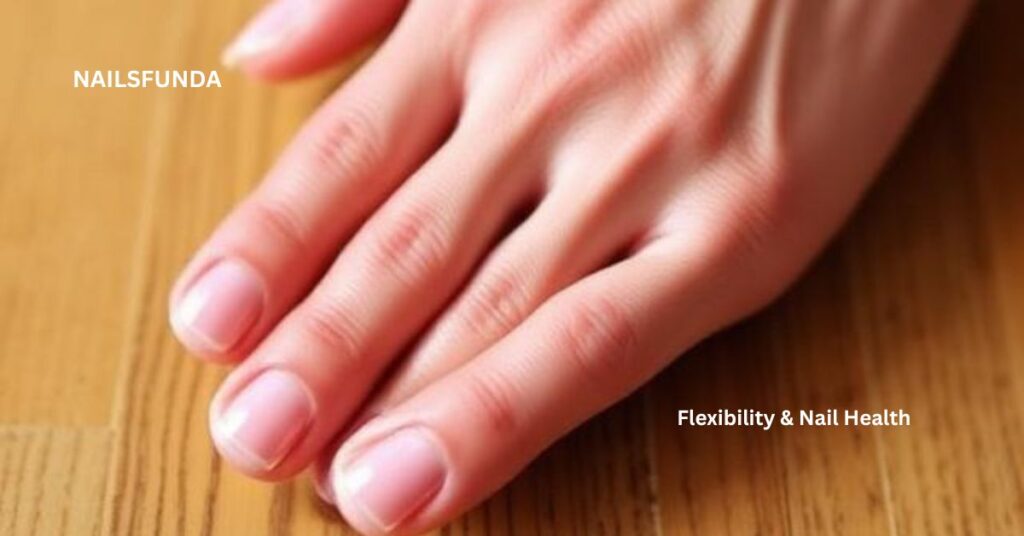
- Gel nails are more flexible than acrylics
- Acrylic nails provide rigidity
- Gel nails reduce nail bed stress
- Acrylic nails protect weak natural nails
- Gel nails vs Acrylic nails are less likely to cause splitting
- Acrylic nails can strengthen nails when applied correctly
- Gel nails are better for sensitive nail beds
- Acrylic nails resist breakage from external pressure
- Gel nails vs Acrylic nails allow natural nail growth
- Acrylic nails may restrict nail growth if overused
- Gel nails reduce chemical exposure
- Gel nails vs Acrylic nails expose nails to more chemicals
- Gel nails can be removed safely by soaking
- Acrylic nails need careful filing for removal
- Gel nails preserve the natural nail appearance
- Acrylic nails may temporarily thin natural nails
- Gel nails vs Acrylic nails minimize cuticle stress
- Acrylic nails may irritate cuticles if applied too thickly
- Gel nails allow gentle filing
- Gel nails vs Acrylic nails require careful shaping to avoid injury
- Gel nails prevent peeling with correct maintenance
- Acrylic nails resist minor cracking in active hands
- Gel nails can protect nails without heavy weight
- Acrylic nails are ideal for strengthening weak nails
- Gel nails adjust to the nail curve for comfort
- Acrylic nails maintain long-term length
- Gel nails prevent undue pressure during typing
- Acrylic nails reduce nail bending under force
- Gel nails maintain hydration better than acrylics
- Acrylic nails may trap moisture if over-applied
- Gel nails allow safe short-term wear
- Acrylic nails suit long-term, robust wear
- Gel nails prevent lifting with proper technique
- Acrylic nails are ideal for repeated polish changes
- Gel nails reduce the likelihood of nail bed trauma
- Acrylic nails can resist splitting under moderate force
- Gel nails are safer for naturally brittle nails
- Acrylic nails provide a strong, protective shield
- Gel nails are better for frequent polish changes
- Acrylic nails maintain a consistent shape under stress
DIY & Home Care
- Gel nails are easier for at-home polish touch-ups
- Acrylic nails require professional care
- Gel nails can last without frequent salon visits
- Acrylic nails need salon maintenance
- Gel nails can be buffed gently at home
- Acrylic nails should not be filed aggressively at home
- Gel nails are compatible with home UV lamps
- Acrylic nails cannot cure without natural air or acrylic mix
- Gel nails can use home-friendly nail art stickers
- Acrylic nails can be extended with proper tips at home
- Gel nails maintain shine without extra polish
- Acrylic nails need a topcoat to maintain luster
- Gel nails require minimal cleanup
- Acrylic nails produce dust when filed
- Gel nails are less messy for beginners
- Acrylic nails require careful application to avoid air bubbles
- Gel nails can be soaked off safely at home
- Acrylic nails need professional removal to prevent nail damage
- Gel nails are suitable for travel kits
- Acrylic nails require salon visits for fills
- Gel nails allow at-home polish layering
- Acrylic nails are more complex for DIY nail art
- Gel nails dry instantly under the lamp
- Acrylic nails air-dry naturally and may take longer
- Gel nails are safer for sensitive skin at home
- Acrylic nails may irritate if chemicals are mishandled
- Gel nails allow easy seasonal design changes
- Acrylic nails allow for stronger nail art attachment at home
- Gel nails maintain a glossy finish longer at home
- Acrylic nails resist chipping but require careful handling
- Gel nails are ideal for beginners
- Acrylic nails are better for skilled DIYers
- Gel nails can be combined with mild embellishments
- Acrylic nails can hold heavy 3D designs at home
- Gel nails can be removed with an acetone soak
- Acrylic nail removal may require prolonged soaking
- Gel nails can be polished without primer
- Acrylic nails need a base coat and primer for adhesion
- Gel nails are low-maintenance for home manicure
- Acrylic nails require professional home care guidance
Travel & Seasonal Suitability
- Gel nails hold up in humid weather
- Acrylic nails resist water exposure
- Gel nails are lightweight for travel
- Acrylic nails are durable for long trips
- Gel nails shine in photos anywhere
- Acrylic nails maintain shape across seasons
- Gel nails resist chipping in mild weather
- Acrylic nails are ideal for rugged climates
- Gel nails work well for winter glove use
- Acrylic nails withstand summer activities
- Gel nails adjust to temperature changes
- Acrylic nails provide a strong base in hot climates
- Gel nails are easy to maintain abroad
- Acrylic nails resist breakage during travel
- Gel nails are suitable for casual vacation nails
- Acrylic nails are suitable for outdoor adventures
- Gel nails are perfect for beach-friendly nails
- Acrylic nails maintain structure in pool water
- Gel nails are easier for tropical climates
- Acrylic nails can withstand heavy-duty tasks
- Gel nails dry instantly under a UV lamp while traveling
- Acrylic nails take longer to cure but last longer
- Gel nails resist staining during travel
- Acrylic nails protect nails from external elements
- Gel nails allow touch-up polish
- Acrylic nails require professional maintenance during trips
- Gel nails are comfortable on long flights
- Acrylic nails are strong for hands-on activities abroad
- Gel nails suit casual and formal events on the go
- Acrylic nails maintain bold colors for longer trips
- Gel nails adapt to changing climates
- Acrylic nails resist lifting in humidity
- Gel nails are ideal for indoor activities
- Acrylic nails are ideal for outdoor events
- Gel nails are low-risk for travel scratches
- Acrylic nails provide high durability against knocks
- Gel nails are subtle and blend with outfits
- Acrylic nails stand out for statement looks
- Gel nails maintain elegance in any season
- Acrylic nails provide a professional, salon-ready look during trips
Gel Nails vs Acrylic Nails:
Celebrity Trends & Fashion
- Gel nails are popular with celebrities for their natural looks
- Acrylic nails are preferred for bold, dramatic red carpet styles
- Gel nails suit minimalist fashion trends
- Acrylic nails complement high-fashion runway looks
- Gel nails match neutral and pastel wardrobes
- Acrylic nails match bright, statement outfits
- Gel nails are used in magazine photo shoots
- Acrylic nails support elaborate nail art on celebrities
- Gel nails are trending among influencers for casual elegance
- Acrylic nails dominate award shows and gala appearances
- Gel nails are ideal for teen and young adult fashion trends
- Acrylic nails are popular among models for edgy designs
- Gel nails blend with bridal and wedding fashion
- Acrylic nails highlight bold, themed events
- Gel nails complement jewelry subtly
- Acrylic nails enhance rings and accessories
- Gel nails are preferred for TV and video appearances
- Acrylic nails make a statement in live events
- Gel nails suit seasonal fashion trends
- Acrylic nails allow bold seasonal nail art
- Gel nails are preferred for Instagram-friendly nail shots
- Acrylic nails are showcased in high-end fashion campaigns
- Gel nails are trending for soft, romantic looks
- Acrylic nails fit modern urban and street fashion
- Gel nails suit office and professional outfits
- Acrylic nails are bold for party and evening looks
- Gel nails are favored for everyday, subtle elegance
- Acrylic nails are preferred for dramatic statement nights
- Gel nails are trendy for influencer collaborations
- Acrylic nails are featured in luxury brand campaigns
Salon Expertise & Professional Tips
- Gel nails require UV/LED lamp curing
- Acrylic nails require proper mixing of monomer and powder
- Gel nails need precise layer curing
- Acrylic nails need sculpting skills for a perfect shape
- Gel nails require gentle filing to maintain a natural look
- Acrylic nails require professional shaping for strength
- Gel nails need minimal polish layering
- Acrylic nails allow multiple layers for design
- Gel nails require precise buffing
- Acrylic nails need sanding for smoothness
- Gel nails are sensitive to over-curing
- Acrylic nails can crack if under-prepared
- Gel nails need trained technicians for flawless results
- Acrylic nails can be applied by beginners with care
- Gel nails require attention to natural nail health
- Acrylic nails need careful cuticle protection
- Gel nails cure faster under LED lamps
- Acrylic nails dry naturally and take longer
- Gel nails are easier to maintain for salons with busy clients
- Acrylic nails require experienced hands for long-term durability
- Gel nails allow quick polish application
- Acrylic nails allow more intricate 3D designs
- Gel nails are recommended for weddings and office events
- Acrylic nails are ideal for parties and evening glam
- Gel nails are low-maintenance between salon visits
- Acrylic nails may require regular fill-ins
- Gel nails are less prone to lifting if applied correctly
- Acrylic nails can lift if the primer or bonding is incorrect
- Gel nails are ideal for beginners wanting natural elegance
- Acrylic nails are better for strong, experienced nail wearers
Removal, Safety & Nail Health
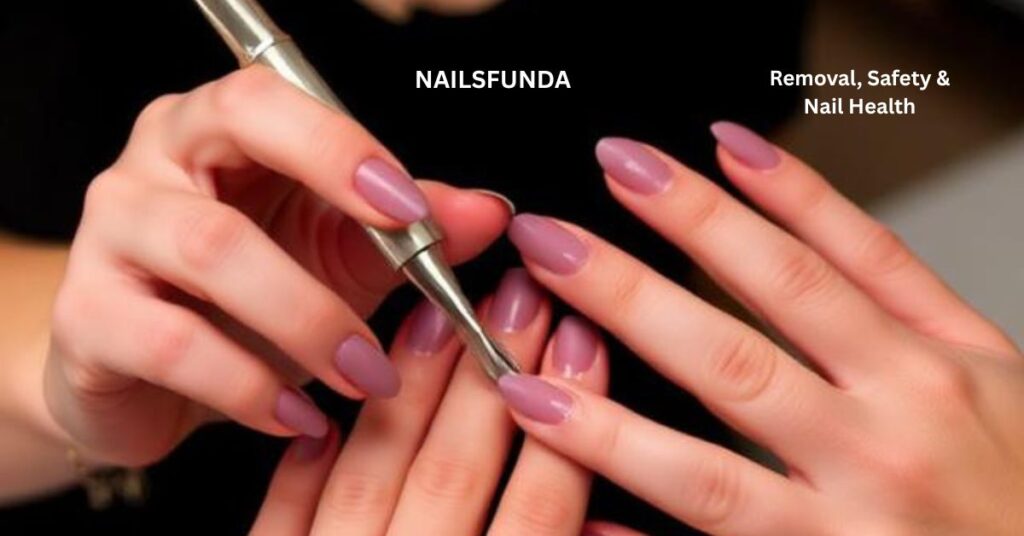
- Gel nails can be removed by soaking in acetone
- Acrylic nails need careful removal to avoid nail damage
- Gel removal is gentler on natural nails
- Acrylic removal may thin natural nails if improper
- Gel nails reduce the risk of fungal infection with proper care
- Acrylic nails are more resilient to bacterial exposure
- Gel nails maintain hydration with proper cuticle care
- Acrylic nails need oiling to prevent brittleness
- Gel nails require less filing for removal
- Acrylic nails require more salon time for safe removal
- Gel nails are safer for sensitive skin
- Acrylic nails may irritate if chemical exposure is high
- Gel nails preserve natural nail shape
- Acrylic nails provide protective strength but may restrict growth
- Gel nails prevent nail splitting with proper maintenance
- Acrylic nails resist cracking under manual stress
- Gel nails reduce the lifting risk during soaking
- Acrylic nails are durable against physical impact
- Gel nails are safe for short-term use
- Acrylic nails are safe for long-term extension wear
Seasonal & Cultural Variations
- Gel nails adapt well to tropical climates
- Acrylic nails maintain durability in humid regions
- Gel nails resist cold-weather chipping
- Acrylic nails resist cracking in dry climates
- Gel nails suit casual and everyday cultural events
- Acrylic nails are ideal for traditional festive occasions
- Gel nails work well with subtle seasonal colors
- Acrylic nails can handle bold seasonal designs
- Gel nails blend with minimalist ethnic jewelry
- Acrylic nails complement elaborate cultural attire
- Gel nails are travel-friendly for seasonal vacations
- Acrylic nails withstand rigorous cultural events
- Gel nails And Acrylic nails are gentle on sensitive skin during festivals
- Acrylic nails can handle heavy embellishments in cultural designs
- Gel nails are preferred for indoor weddings and ceremonies
- Acrylic nails are suitable for outdoor or grand events
- Gel nails can be styled easily with seasonal nail polish trends
- Acrylic nails support long-lasting festival or wedding designs
- Gel nails are lightweight and comfortable during long cultural celebrations
- Acrylic nails provide statement elegance and lasting protection
Takeaways: Gel Nails vs Acrylic Nails
- Gel nails: Lightweight, flexible, natural-looking, ideal for subtle, everyday elegance, weddings, and minimalistic styles.
- Acrylic nails: Strong, durable, perfect for bold, dramatic, or long-lasting designs, party looks, and heavy-hand use.
- Your choice depends on lifestyle, nail length preference, comfort, and fashion goals.
FAQs
1. What is the cost of getting acrylic nails?
Acrylic nails are generally cheaper than gel nails, with prices depending on salon, length, and nail art.
2. What is the cost of getting gel extensions?
Gel nails are usually more expensive due to the materials and UV/LED curing process.
3. How can I get my nail extensions removed?
Professional removal is recommended to prevent natural nail damage.
4. How do I remove haldi stains from my nail extensions?
Use gentle nail cleansers, baking soda paste, or mild acetone with care.
5. Which nail extensions are more flexible in nature?
Gel nails are more flexible than acrylic nails.
6. Do you get a manicure with gel nails?
Yes, most gel nail services include a manicure.
7. Can I do a manicure after getting nail extensions?
Yes, gentle manicures are safe.
8. Can you remove acrylic nails at home?
Possible but not recommended; professional removal is safer.
9. Do acrylic nails fall off in water?
No, acrylic nails are water-resistant if applied properly.
10. Which nail extension is permanent?
Neither is permanent; both require maintenance and refills.
11. Which nail extension is best for a wedding?
Gel nails are preferred for natural, elegant wedding looks; acrylic nails suit dramatic bridal styles.
12. Which nail extensions look natural?
Gel extensions provide the most natural look.
One thought on “500+ Difference Between Gel Nails vs Acrylic Nails: The Ultimate Guide”