








Pincer nail deformity is one of those conditions people often ignore—until it starts hurting. At first, it may look like a nail that’s just a bit too curved. Over time, though, that curve tightens, pressing into the nail bed and surrounding skin. This is when PINCER NAIL stops being cosmetic and starts becoming a real problem.
If you’ve ever felt pain while walking, struggled with shoes, or noticed your nail squeezing inward like a clamp, this guide is for you. We’ll cover what pincer nails really are, why they happen, how they’re diagnosed, and—most importantly—how to treat and manage them effectively.
What Are PINCER NAIL?
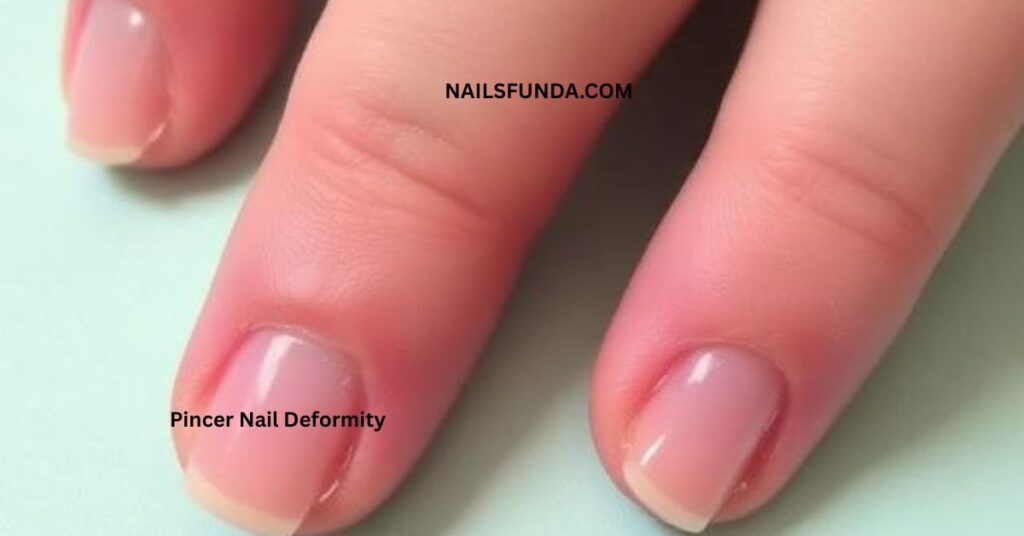
PINCER NAIL are nails that curve excessively from side to side, compressing the nail bed. They most often affect the big toenails, but can also occur on fingers. Unlike ingrown nails, which grow into the skin edge, pincer nails squeeze inward from both sides at once.
This pressure can cause pain, redness, swelling, and difficulty walking if left untreated.
320+ Detailed Points About PINCER NAIL
Understanding Pincer Nail Deformity (1–80)
- Pincer nails are a structural nail deformity
- The nail curves inward excessively
- The curvature worsens over time
- The nail compresses the nail bed
- Pressure increases as the nail grows
- Pain develops gradually
- Early stages may be painless
- Big toes are most commonly affected
- Fingernails can also develop pincer nails
- The nail may appear tube-shaped
- Some nails form a trumpet-like curve
- Skin beside the nail becomes tender
- Redness often appears
- Swelling may develop
- Walking can become uncomfortable
- Shoes may cause sharp pressure
- PINCER NAIL differ from ingrown nails
- Both sides of the nail curve inward
- Nail bed circulation may decrease
- Reduced circulation slows healing
- Nail trimming becomes difficult
- Nail edges dig into soft tissue
- Chronic irritation damages the skin
- Infection risk increases
- Nail thickness often increases
- Thick nails curve more aggressively
- Nail shape changes gradually
- Pressure reshapes nail growth direction
- Nail bed narrows over time
- Pain may worsen at night
- Standing for long periods increases discomfort
- Athletes often notice symptoms earlier
- Cosmetic concerns affect confidence
- Mobility may be limited
- Daily activities become uncomfortable
- Ignoring symptoms worsens outcomes
- Early care is easier
- Mild cases respond well to treatment
- Severe cases require medical care
- Nail deformities rarely self-correct
- Professional diagnosis is important
- Self-treatment can cause harm
- Nail health reflects foot health
- Poor nail care accelerates damage
- Nail pressure damages the underlying tissue
- PINCER NAIL affect the quality of life
- Pain alters walking patterns
- Gait changes increase foot strain
- Secondary problems may develop
- Early awareness prevents complications
- Nail growth rate affects severity
- Curvature increases with age
- Nail flexibility decreases over time
- Aging weakens nail support structures
- Chronic pressure reshapes anatomy
- Nail deformities can be progressive
- Pain may be sharp or dull
- Pressure sensitivity increases
- Nail edges may embed deeply
- Nail bed inflammation is common
- Swelling may persist
- Shoes with narrow toe boxes worsen pain
- Closed shoes increase pressure
- Warm environments worsen inflammation
- Cold reduces circulation
- Nail shape reflects long-term forces
- Structural foot issues contribute
- Nail deformity is often underestimated
- Proper education improves outcomes
- Awareness encourages early care
- Nail deformities affect posture
- Pain changes weight distribution
- Chronic discomfort causes stress
- Foot pain reduces activity levels
- Reduced activity affects health
- Nail problems deserve attention
- PINCER NAIL are common but overlooked
- Many people misdiagnose them
- Correct diagnosis changes treatment
- Knowledge leads to better decisions
Causes & Risk Factors of PINCER NAIL (81–170)

- Genetics strongly influence nail shape
- Family history increases risk
- Tight shoes are a leading cause
- Narrow footwear compresses toes
- High heels force toes forward
- Chronic shoe pressure reshapes nails
- Long-term compression worsens curvature
- Nail trauma triggers abnormal growth
- Sports injuries contribute
- Repetitive toe impact increases risk
- Nail fungus thickens nails
- Thick nails curve more easily
- Untreated fungal infections worsen deformity
- Improper nail trimming increases pressure
- Cutting nails too short is harmful
- Rounding nail edges worsens pinching
- Poor foot hygiene increases infection risk
- Moist environments weaken nails
- Aging changes keratin structure
- Bone structure influences nail growth
- Arthritis alters toe alignment
- Hallux valgus affects nail direction
- Nail matrix damage changes growth
- Nail bed shrinkage increases compression
- Certain medications affect nails
- Chemotherapy alters nail formation
- Psoriasis affects nail anatomy
- Autoimmune diseases increase risk
- Diabetes complicates healing
- Poor circulation worsens pain
- Peripheral vascular disease slows recovery
- Obesity increases foot pressure
- Long hours standing stress toes
- Occupational footwear contributes
- Tight socks add compression
- Poor shoe design worsens symptoms
- Flat feet alter pressure distribution
- High arches increase toe stress
- Improper orthotics worsen alignment
- Aggressive pedicures damage nails
- Rough filing weakens nail edges
- Recurrent ingrown nails increase the risk
- Nail infections disrupt growth
- Chronic inflammation affects the nail bed
- Scar tissue tightens the surrounding skin
- Poor wound healing worsens deformity
- Smoking reduces blood flow
- Poor nutrition weakens nails
- Iron deficiency affects nail strength
- Zinc deficiency impacts keratin
- Dehydration reduces nail flexibility
- Hormonal changes affect nails
- Pregnancy may temporarily alter nails
- Cold weather reduces circulation
- Walking barefoot increases trauma
- Chronic swelling narrows the nail bed
- Foot deformities alter alignment
- Long nails increase leverage forces
- Nail plate thickening increases pressure
- Nail growth direction becomes abnormal
- Pressure adapts nail anatomy
- Nail support structures weaken
- Aging slows tissue repair
- Multiple risk factors often coexist
- Lifestyle choices influence severity
- Cultural footwear habits matter
- Delayed treatment worsens outcomes
- Nail neglect increases progression
- Foot care education reduces risk
- Preventive habits protect nails
- Early intervention limits damage
- Identifying causes guides care
- No single cause fits all
- Personalized treatment works best
- Understanding risk prevents recurrence
- Long-term pressure causes permanent changes
- Nail deformity is often avoidable
- Proper shoes reduce risk
- Regular nail care matters
- Early signs should not be ignored
- Pain is a warning sign
- Nail changes deserve attention
- Prevention is easier than treatment
- Healthy habits support nail growth
- Circulation affects nail health
- Lifestyle impacts recovery speed
- Foot structure influences outcomes
- Nail care should be routine
- Education empowers patients
- Awareness prevents severe cases
Diagnosis, Treatment & Care Solutions (171–320)
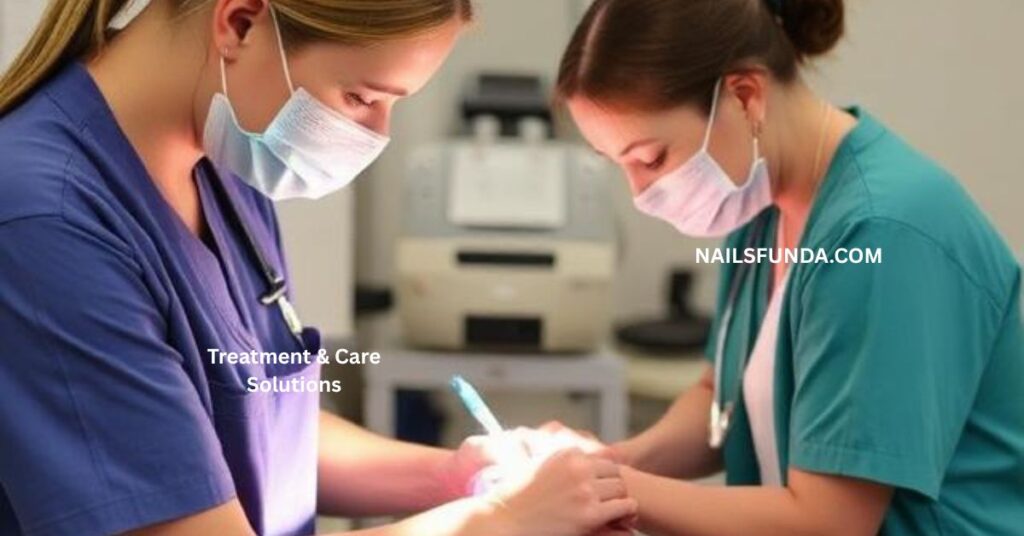
- Diagnosis starts with visual inspection
- Nail curvature is assessed
- Pain level is evaluated
- Nail thickness is examined
- Nail bed width is measured
- Surrounding skin is checked
- Infection signs are ruled out
- Medical history is reviewed
- Footwear habits are discussed
- Fungal testing may be ordered
- Imaging may assess bone involvement
- Early diagnosis simplifies treatment
- Mild cases use conservative care
- Proper nail trimming reduces pressure
- Nails should be cut straight
- Avoid digging nail corners
- Wide-toe-box shoes are essential
- Flexible footwear reduces pain
- Cushioning relieves pressure
- Silicone toe caps help
- Nail braces gently flatten nails
- Bracing is non-invasive
- Gradual correction is safer
- Consistent use improves results
- Regular podiatry visits help
- Nail thinning reduces compression
- Urea creams soften thick nails
- Antifungal treatments address root causes
- Warm soaks reduce stiffness
- Cold therapy reduces swelling
- NSAIDs may reduce pain
- Avoid tight footwear completely
- Keep feet clean and dry
- Severe cases need medical care
- Partial nail removal relieves pressure
- Total nail removal is rare
- Nail matrix correction prevents recurrence
- Surgical reshaping offers long-term relief
- Laser therapy may assist healing
- Post-treatment care is critical
- Proper wound care prevents infection
- Follow-up ensures success
- Diabetics require special monitoring
- Infection signs need urgent care
- Redness spreading is a warning
- Persistent pain needs evaluation
- Home care supports treatment
- Epsom salt soaks soothe pain
- Avoid harsh chemicals
- A balanced diet strengthens nails
- Protein supports keratin growth
- Biotin may improve strength
- Hydration improves flexibility
- Exercise improves circulation
- Foot elevation reduces swelling
- Maintain a healthy weight
- Monitor nail changes regularly
- Early action prevents worsening
- Education improves compliance
- Long-term care prevents relapse
- Comfortable shoes are non-negotiable
- Nail health supports mobility
- Pain-free walking improves life quality
- Cosmetic improvement boosts confidence
- Conservative care often works
- Surgery is a last resort
- Personalized plans work best
- Lifestyle changes support healing
- Prevention reduces recurrence
- Awareness improves outcomes
- Modern treatments are effective
- Most patients improve significantly
- Long-term success is achievable
- Commitment ensures results
- Healthy nails support independence
- Nail care should be routine
- Foot health affects posture
- Pain-free movement improves mood
- Nail deformities are manageable
- Ignoring pain causes damage
- Treatment restores comfort
- Nail shape can normalize
- Nail bed pressure can be relieved
- Mobility improves after care
- Patient education is essential
- Professional guidance ensures safety
- Consistency prevents setbacks
- Monitoring prevents complications
- Healthy habits sustain results
- Nail health affects daily comfort
- Walking becomes enjoyable again
- Shoes fit better after treatment
- Confidence improves with relief
- Pain-free steps restore freedom
- Early care saves money
- Delayed care increases complexity
- Nail deformities deserve care
- Foot pain should not be ignored
- Solutions are available
- Relief is achievable
- Knowledge empowers action
- Action leads to healing
- Healing improves quality of life
- Healthy nails support active living
- Treatment success builds confidence
- Long-term care ensures stability
- Prevention protects future nail growth
- Comfort should be normal
- Pain is not normal
- Healthy nails matter
- Care improves independence
- Mobility supports health
- Nail care supports balance
- Foot health affects aging
- Early awareness prevents suffering
- Modern podiatry offers solutions
- Treatment options are flexible
- Conservative care is effective
- Surgical care is precise
- Recovery improves nail appearance
- Proper care prevents infection
- Foot hygiene supports healing
- Nail deformities are treatable
- Comfort is achievable
- Lifestyle changes matter
- Education reduces fear
- Prevention is empowering
- Nail health supports confidence
- Care restores normal function
- PINCER NAIL can be managed successfully
- Pain relief improves daily life
- Consistent care delivers results
- Early treatment prevents complications
- Healthy nails support movement
- Foot comfort improves sleep
- Reduced pain lowers stress
- Treatment restores balance
- Awareness leads to prevention
- Prevention protects mobility
- Healthy nails support well-being
- Care improves long-term outcomes
- Education improves self-care
- Nail health is essential
- Pain-free living is possible
- Proper care makes a difference
- Treatment restores confidence
- Nail comfort supports activity
- Healthy habits sustain results
- Foot health deserves attention
- Pincer nails are manageable with proper care
Schema-Ready FAQs (SEO Optimized)
Q1: What causes pincer nail?
Pincer nails are caused by genetics, tight footwear, nail trauma, fungal infections, improper nail trimming, aging, and chronic pressure on the toes.
Q2: Are pincer nails painful?
They may be painless at first, but as curvature increases, they often become painful and uncomfortable.
Q3: Can pincer nails be treated without surgery?
Yes. Many cases improve with nail braces, proper footwear, nail care, and conservative treatment.
Q4: Are pincer nails permanent?
Not always. With early diagnosis and proper care, nail shape and comfort can improve significantly.
Q5: Do pincer nails come back after treatment?
They can recur if preventive care is not maintained, especially in footwear and nail trimming habits.
Final Thoughts
PINCER NAIL are not just a cosmetic issue—they can affect comfort, mobility, and confidence. The good news is that modern treatments, proper nail care, and informed lifestyle choices make long-term relief possible. Whether you’re dealing with mild curvature or ongoing pain, early action makes all the difference.
Healthy nails support healthy movement—and pain-free steps are worth protecting.



2 thoughts on “320+ Pincer Nail Deformity: Causes, Diagnosis, and Effective Care Solutions”