A hardener nail treatment is a clear polish that helps weak, peeling, or splitting nails grow stronger. It works by coating the nail plate with a thin, hard layer, so everyday bumps and water do less damage. If your nails bend, peel, or break before they grow, a hardener can help, but only if you use it the right way. Used too often, it can make nails brittle, so it helps to know how it works, when to use it, and when to stop. This guide compares it with a gel builder nail treatment and explains how to apply it safely at home.
What Is a Hardener Nail Treatment?
A hardener nail treatment, also called a nail strengthener, is a clear coating that is painted on like nail polish. Most hardeners contain ingredients that bond to the nail plate and make it stiffer, such as formaldehyde, calcium, or keratin proteins. Some are sold as a base coat, while others are a stand-alone treatment you wear on bare nails. Unlike a coloured polish, a hardener is meant to protect the nail and help it grow, not to decorate it.
How Does Nail Hardener Work?
Nails are made of keratin, and they become weak when they lose moisture, are filed too thin, or are damaged by gels, acrylics, and strong removers. A hardener adds a rigid layer on top of the nail plate, which stops it from bending and peeling while it grows. Formaldehyde-based hardeners work by cross-linking keratin fibres, which makes the nail stiffer, while calcium and protein hardeners fill tiny gaps in the surface. The effect is only on the surface, so new growth still needs gentle care.
Types of Nail Hardeners
Not all hardeners work the same way. These are the main types you will see in shops:
- Formaldehyde hardeners: the strongest type, but they can irritate skin and should not be used on damaged or infected nails.
- Formaldehyde-free hardeners: gentler options that use calcium, nylon fibres, or plant proteins instead.
- Keratin and protein treatments: these condition the nail and are best for mild peeling or dryness.
- Strengthening base coats: a light hardener worn under colour, which adds a little support without a full treatment.
If you have sensitive skin, choose a formaldehyde-free product, and check the label before you buy.
Who Should Use One, and Who Should Not
A hardener helps most if your nails peel, split, or bend easily after gel or acrylic removal, or if they never seem to grow past your fingertips. It can also help while you recover from biting or over-filing. It is not a good choice if the skin around your nails is broken, infected, or very sore, or if you have had an allergic reaction to nail products before. People with eczema or contact dermatitis should test a new hardener on one nail first, or skip it and focus on gentle care instead.

How to Apply Nail Hardener: 5 Steps
Apply it on clean, dry nails, and give each layer time to set. Here is a safe method:
- Clean the nails: remove old polish, wash your hands, and let the nails dry fully.
- Push back cuticles: use a soft pusher and a little cuticle oil, but do not cut the cuticles.
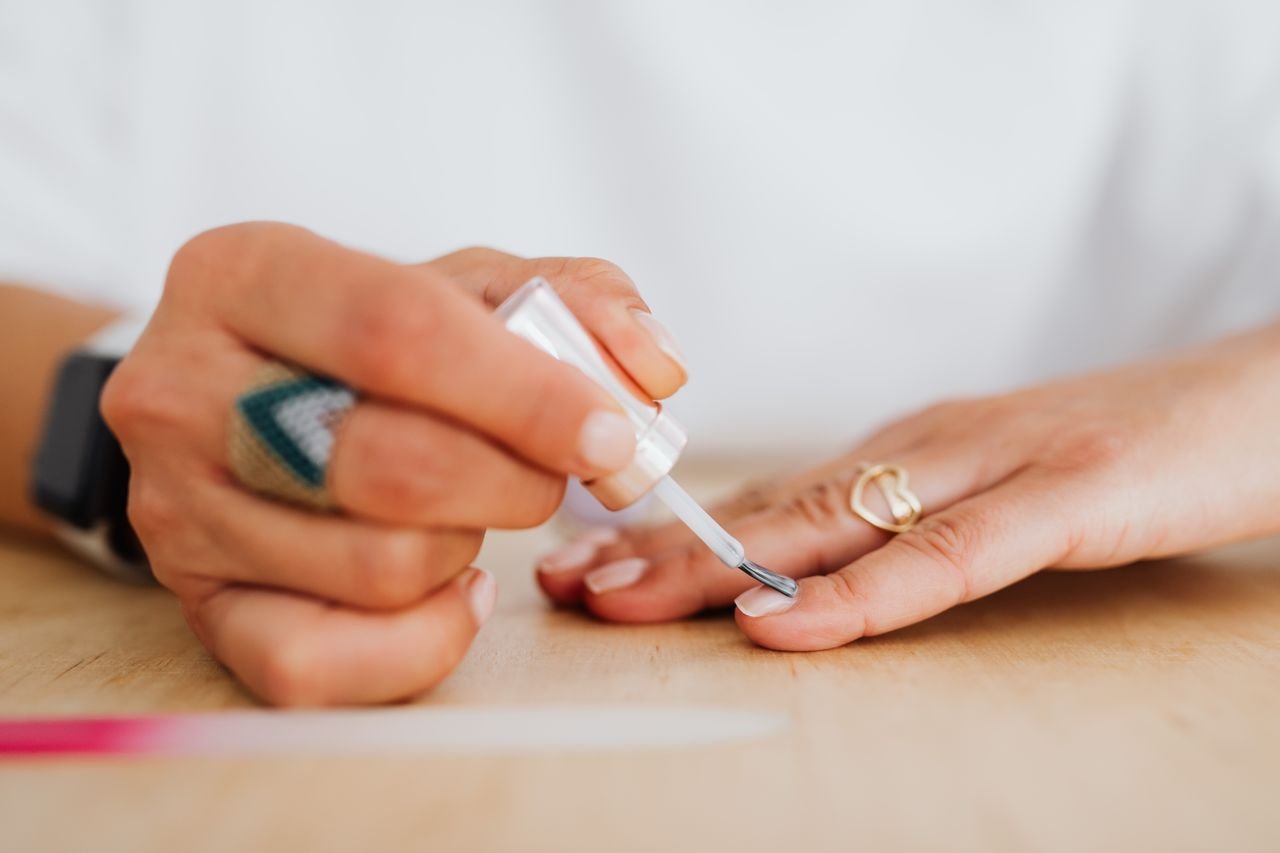
- Apply a thin first coat: brush one thin layer over the whole nail, including the free edge.
- Add a second coat: wait a few minutes, then add a second thin coat for extra strength.
- Reapply and remove: add a fresh coat every two or three days, and remove it fully after one week.
Our guide on how long does nail polish take to dry explains how drying time changes with thin and thick coats, so you can avoid smudges.
How Often Should You Use It?
Most brands suggest using a hardener nail treatment for one to two weeks, then taking a break. During the treatment, you can add a fresh coat every two or three days, but always remove all the old layers once a week and let the nails rest for a day or two. A hardener is a short-term aid, not a daily habit. Once your nails feel stronger, switch to a plain base coat and a good hand cream, and only repeat the treatment when peeling returns.
Risks and Side Effects
The main risk of a hardener nail treatment is overuse. Too many layers, used too often, can make nails dry and brittle, which is the opposite of what you want. Formaldehyde-based hardeners can also irritate the skin around the nails and, rarely, cause an allergic reaction. If you prefer a gentler routine, look for a formaldehyde-free option, or try a vegan nail polish that is free of the harshest chemicals.

Hardener vs Strengthener vs Gel Builder
The words hardener and strengthener are often used for the same thing, but a gel builder is different. A hardener is a thin polish that adds surface stiffness for a week or two. A strengthener is usually a lighter, conditioning product that you wear as a base coat. A gel builder is a thick gel that is cured under a lamp and adds real length and structure for weeks, while a hardener only adds a thin, short-term layer.
Alternatives That Actually Help
A hardener works best alongside good nail habits. Moisturise hands and cuticles daily, and give nails a break between gel or acrylic sets. The American Academy of Dermatology’s nail care secrets explain the simple habits that keep nails strong, from trimming to moisturising. If you wear gel, remove it gently: our guide on how to remove gel nail polish shows a method that avoids peeling the nail plate.
Frequently Asked Questions
How long does a hardener nail treatment take to work?
Most people notice less peeling within a week, and nails feel stiffer after two or three coats. Real growth takes longer: a full nail takes several months to grow out.
Can I use nail hardener every day?
No. Adding a fresh coat every two or three days is enough, and you should remove it fully once a week. Daily use can make nails dry and brittle.
Can I wear nail polish over a hardener?
Yes. Let the hardener dry fully, then paint colour over it as normal. It works well as a base coat under regular polish.
Does nail hardener work on toenails?
Yes, it can help peeling toenails too, but use it less often and stop if the skin around the nail becomes sore or irritated.
Conclusion
A hardener nail treatment is a useful short-term fix for weak, peeling nails, as long as you use it for a week or two and then take a break. Choose a gentle formula, apply thin coats, and watch for signs of overuse. With patient care and a break from harsh products, your nails can grow stronger on their own.