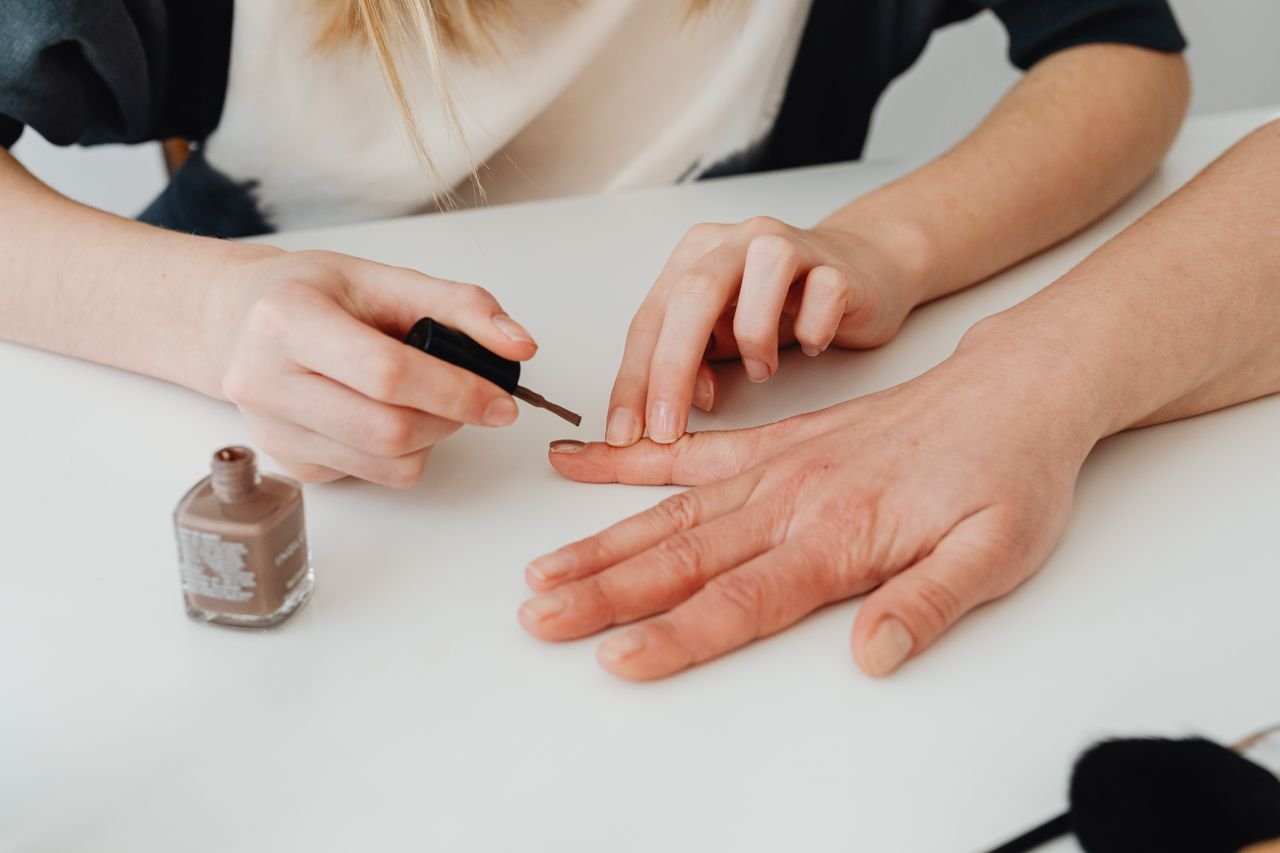
The skin reaction known as contact dermatitis nails starts around the nails and fingertips after contact with a nail product, tool, or chemical. It can make the skin red, itchy, and sore, and it can also lift or damage the nail plate itself. Many people first notice it after a gel manicure, acrylics, or a new polish, and the reaction may appear hours or even days later. If you love gel X nails and other long-wear manicures, it helps to know which ingredients cause the problem, what the early signs look like, and how to let your nails heal safely.
What Is Contact Dermatitis on Nails?
Contact dermatitis is inflammation of the skin caused by something that touches it. Around the nails, the skin is thin and often has tiny cuts from cuticle work, filing, or picking, so irritants and allergens reach it easily. The reaction can affect the skin around the nail, the fingertips, and sometimes the eyelids or face, because people touch their face with their hands without realising it. Unlike a simple dry-skin problem, contact dermatitis nails often keep coming back until the trigger is removed.
Irritant vs Allergic Contact Dermatitis: What Is the Difference?
There are two main types, and telling them apart helps you choose the right fix. Irritant contact dermatitis happens when a harsh product damages the skin directly. Strong removers, acetone, detergents, and repeated soaking can dry and crack the skin, even in people with no allergy. Allergic contact dermatitis is different: the immune system reacts to a specific ingredient, and even a tiny amount can cause a strong reaction. Gel polish ingredients called acrylates, especially HEMA, are the most common cause in nail products. Once a person becomes allergic, the reaction usually returns every time that ingredient is used.
Common Causes and Triggers
Most cases come from products used on or around the nails. These are the triggers dermatologists see most often:
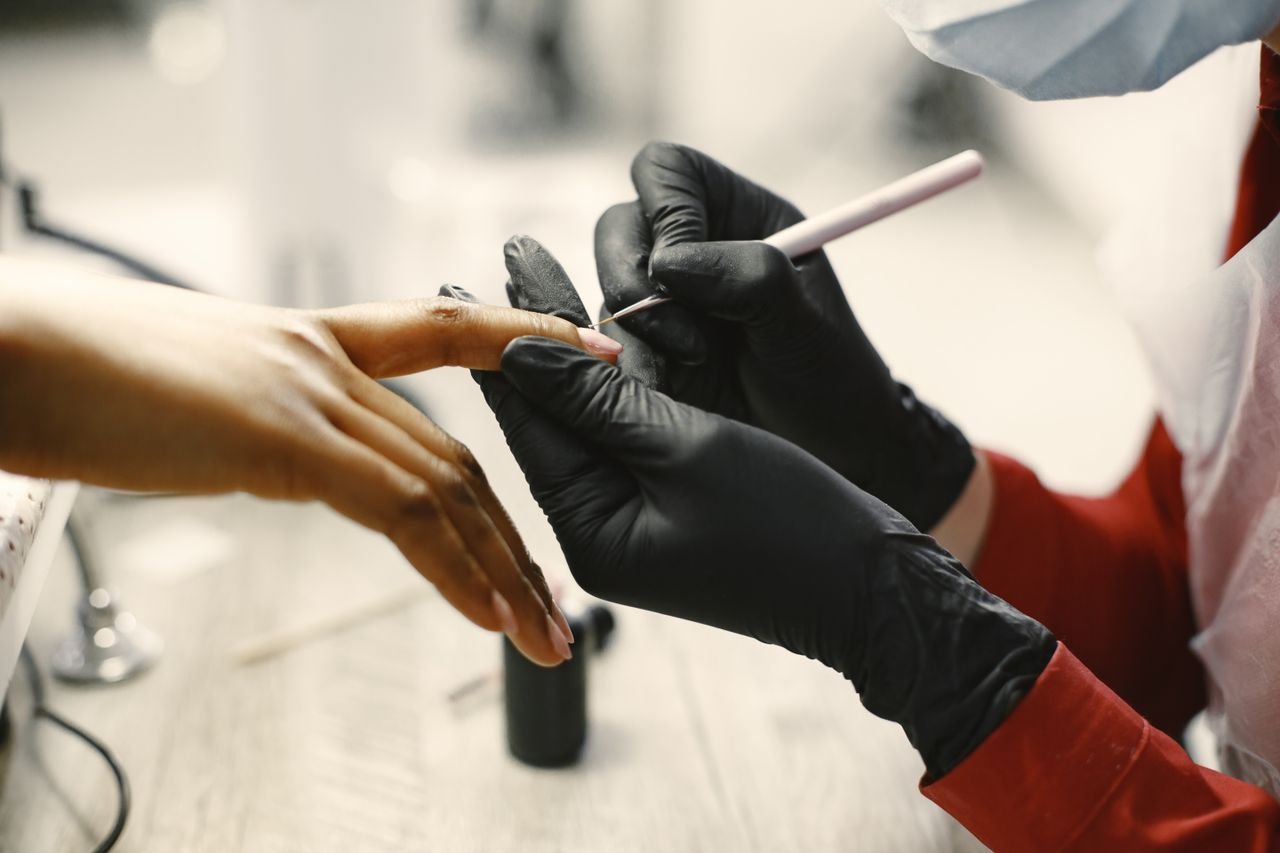
- Gel polish and gel extensions: acrylates such as HEMA and di-HEMA can trigger allergy, especially when gel touches the skin or is not cured fully.
- Acrylic nails and nail glue: acrylic monomers and cyanoacrylate glue can irritate skin and cause allergy in clients and nail technicians.
- Nail polish and removers: formaldehyde, toluene, and strong acetone removers can dry, crack, and inflame the skin.
- Nail hardeners: some hardeners contain formaldehyde, which is a known skin allergen.
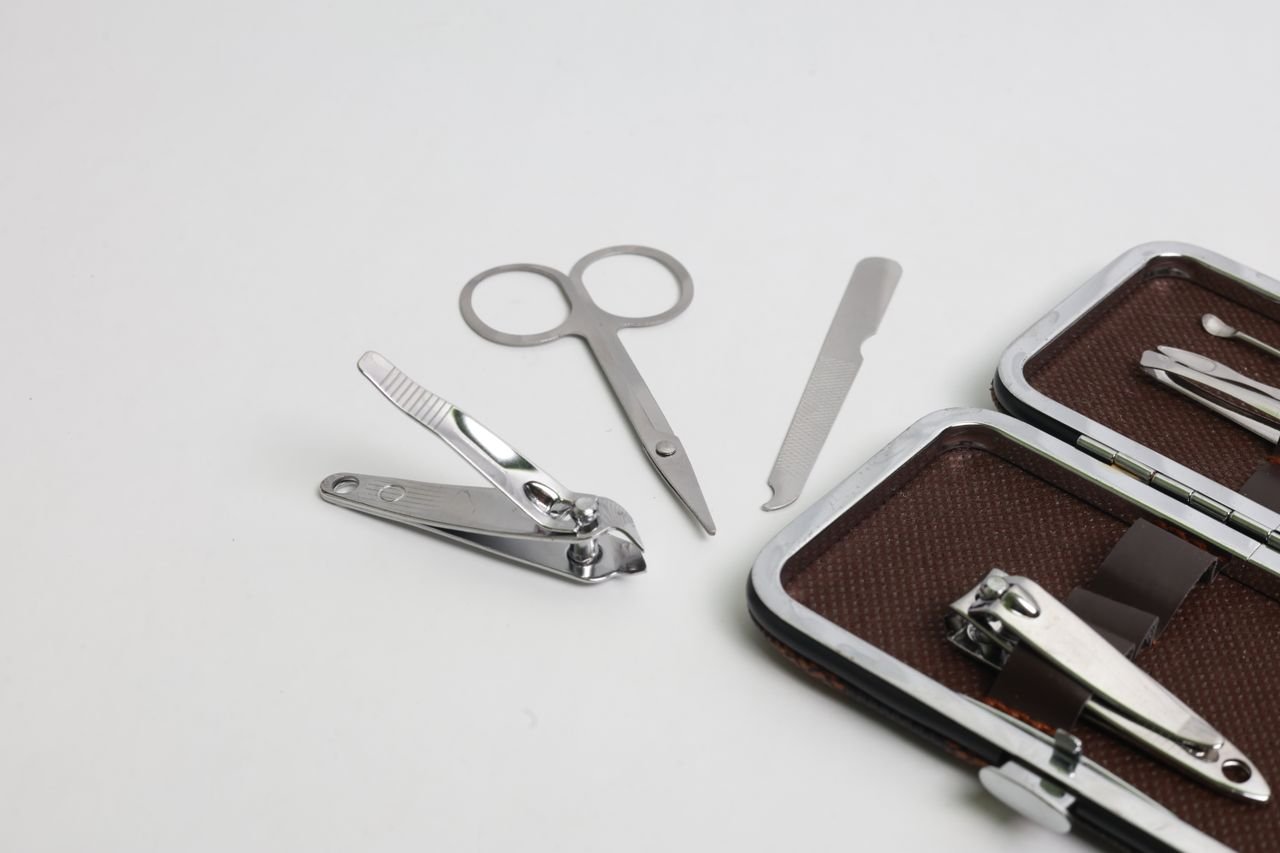
- Tools and gloves: nickel in metal tools and latex gloves can cause reactions in sensitive people.
- Fragrances and preservatives: scented creams, cuticle oils, and some polishes contain allergens that build up with daily use.
A reaction can also come from a product you have used safely for months, because allergy can develop slowly after repeated exposure.
Contact Dermatitis Nails: Signs and Symptoms
Early signs are easy to miss, so check your hands for a day or two after every new product or salon visit. The skin around the nails may turn red, feel itchy or burning, and develop small blisters or dry, flaky patches. Fingertips can swell, crack, or feel sore when you wash your hands. In some cases the nail plate lifts from the nail bed, a change called onycholysis, or the nail grows with ridges and pits. Symptoms often appear on several fingers at once, usually the thumb, index, and middle fingers that handle products most.
How Is It Diagnosed?
A doctor or dermatologist usually starts by asking which products you used and when the symptoms began. Keeping a short note of every polish, gel, glue, and remover helps a lot. Patch testing is the main test for allergy: small amounts of common nail allergens are placed on the back for two days to see which one causes a reaction. DermNet explains which nail-cosmetic ingredients are most likely to cause allergy and how patch testing identifies them.
Treatment: What Helps Nails Heal
Start by removing the trigger. Take off gel or acrylic nails gently, and stop using the product you suspect. Our guide to how to soak off gel nails at home shows a gentle method that avoids peeling the nail plate. Avoid scratching, and keep the hands clean and moisturised with a plain, fragrance-free cream. A doctor may suggest a short course of steroid cream for the skin, and antihistamines can help with itching. Most mild cases of contact dermatitis nails improve in one to two weeks once the trigger is gone, but nails grow slowly, so ridges or lifting may take months to grow out fully.
Safe Alternatives and Prevention
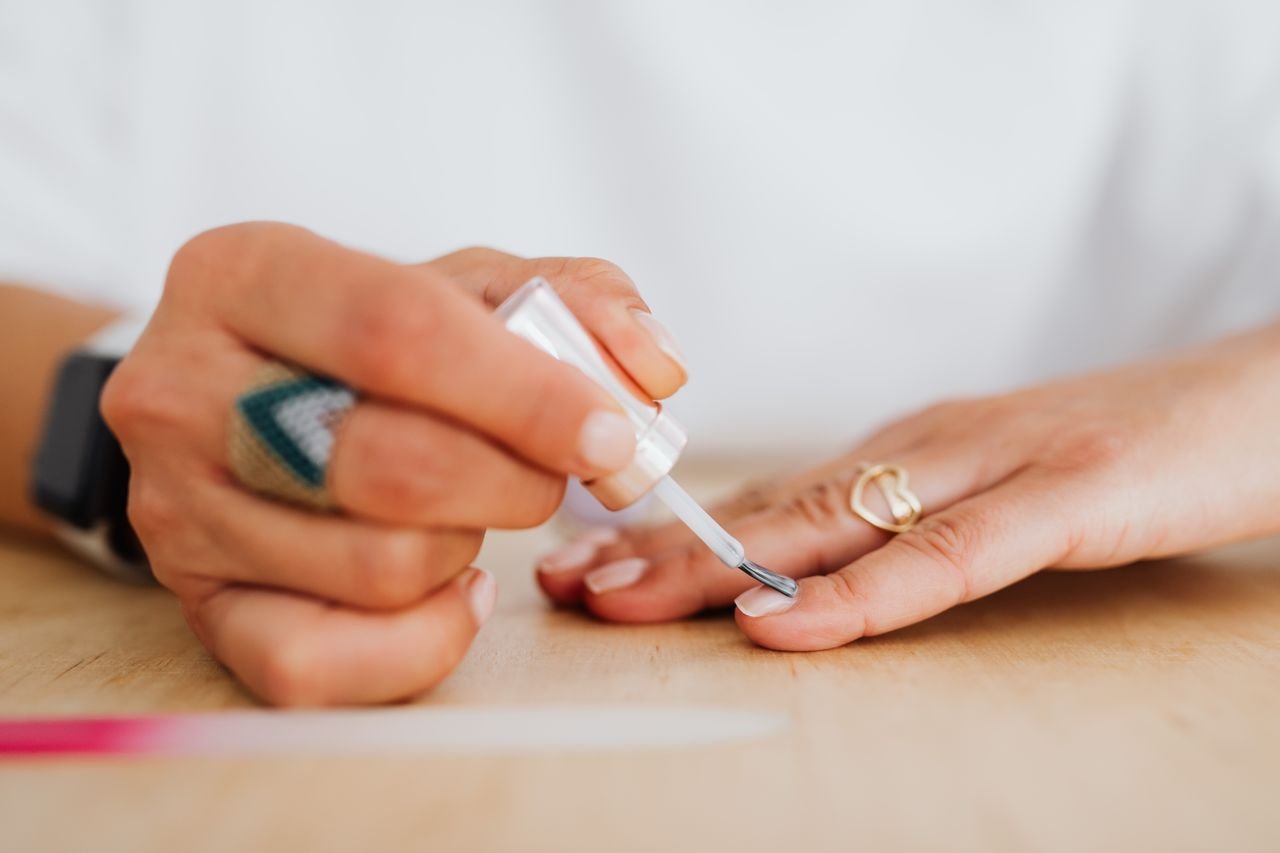
You do not have to give up manicures for good, but you do need a safer routine. Choose HEMA-free or hypoallergenic gel products, and ask your salon which brands they use. Make sure gel never touches the skin, and that each layer is cured fully under the lamp. Test a new product on one nail first, and wait 48 hours before a full set. Wear nitrile gloves instead of latex when you clean or handle chemicals, and use a gentle, acetone-free remover when you can. If you need to remove polish, our guide on how to remove gel nail polish explains a safe method that protects the nail plate.
When to See a Doctor
See a doctor promptly if blisters spread, the skin cracks and bleeds, the nail lifts badly, or the area looks infected. You should also seek help if symptoms keep returning, if the reaction affects your work, or if you need patch testing before you can use nail products safely again. A dermatologist can confirm the cause and help you build a list of products to avoid.

Frequently Asked Questions
Can contact dermatitis on nails go away on its own?
Yes, mild cases often settle in one to two weeks once you stop using the trigger product. Nails may take longer to look normal again, because damaged nail has to grow out.
Can I wear nail polish if I have contact dermatitis?
Only after the skin has healed and you know the trigger. Choose a product without that ingredient, test it on one nail, and stop at the first sign of itching or redness.
Is contact dermatitis on nails contagious?
No. It is a reaction to a product or chemical, not an infection, so you cannot pass it to another person.
Can gel nails cause contact dermatitis?
Yes. Gel products are a common cause of contact dermatitis nails, usually because of acrylate ingredients. DermNet notes that allergy to acrylates is a growing cause of nail reactions, and uncured gel on the skin raises the risk.
Conclusion
Contact dermatitis nails can be uncomfortable, but they are also a clear signal to change something in your nail routine. Find the trigger, let your skin heal, and choose safer products next time. If you want a gentler option, read our guide to nail polish on gel to compare polishes and finishes before your next manicure.